
Blog
Expert insights on structural strengthening technology
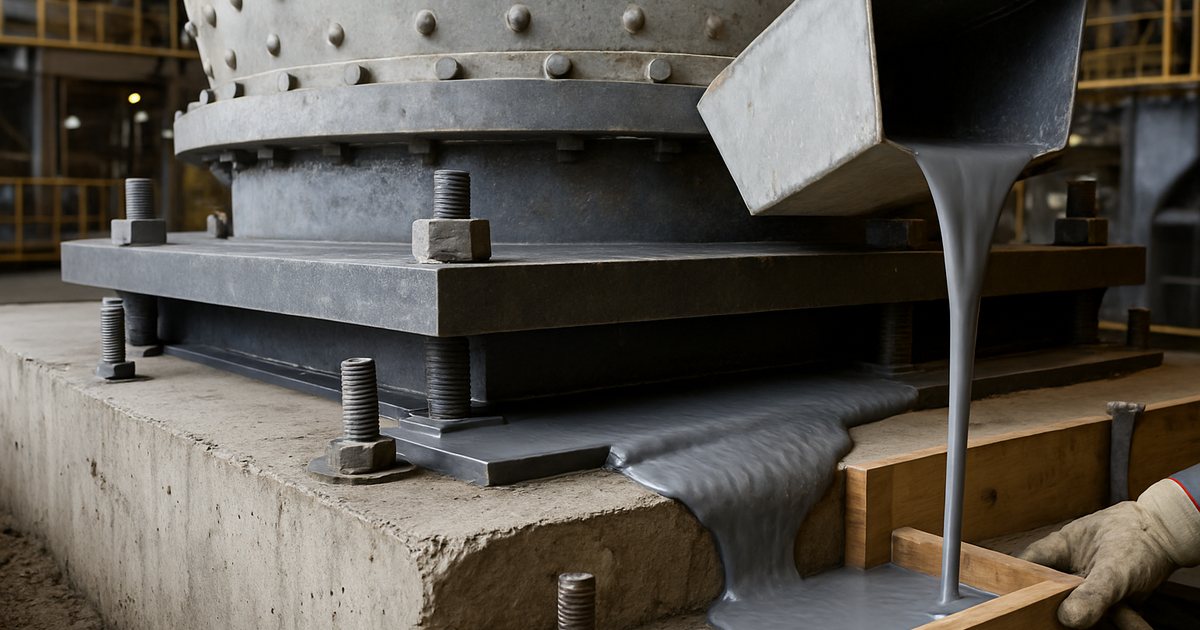
Epoxy Grout for Mining Equipment: Mills & Crushers
Epoxy grout for SAG mills, ball mills and crushers: grout by machine, a 2–3 day shutdown regrout plan, quantity math, and FOB USD 3.20–5.60/kg. Get a quote.

Top 10 Chemical Anchor Adhesive Manufacturers in China (2026)
Ranked list of the 10 best chemical anchor adhesive manufacturers in China for 2026. Compare OEM capability, MOQ, certifications (ETA, ISO, GB/T), pull-out strength data, and FOB pricing to find the right epoxy anchor supplier for your project.

Chemical Anchor Manufacturer China: OEM & Bulk Supply 2026
A manufacturer's guide for construction distributors and contractors sourcing chemical anchors from China: epoxy vs polyester vs vinylester resin comparison, ETA/CE certification, OEM private-label options, MOQ, and lead times.
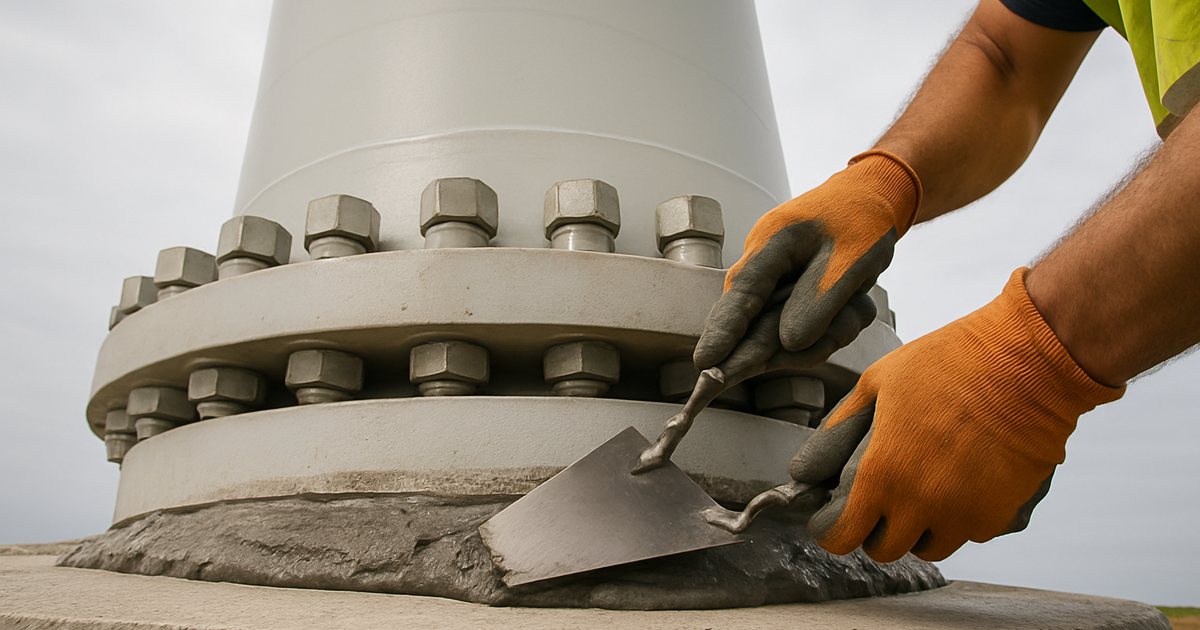
Wind Turbine Foundation Grouting: Cement vs Epoxy
Wind turbine foundation grouting explained: why cementitious (not epoxy) grout is standard for tower bases, offshore monopile grouted-connection design after the 2009 shear-key revision, specs, and FOB pricing.
Pump Skid Grouting: API 686 Epoxy Grout
API 686 pump skid grouting guide: epoxy vs cementitious grout selection, chock plate vs direct grouting methods, step-by-step procedure for centrifugal and reciprocating pumps, common failures, and FOB pricing from a Chinese manufacturer.
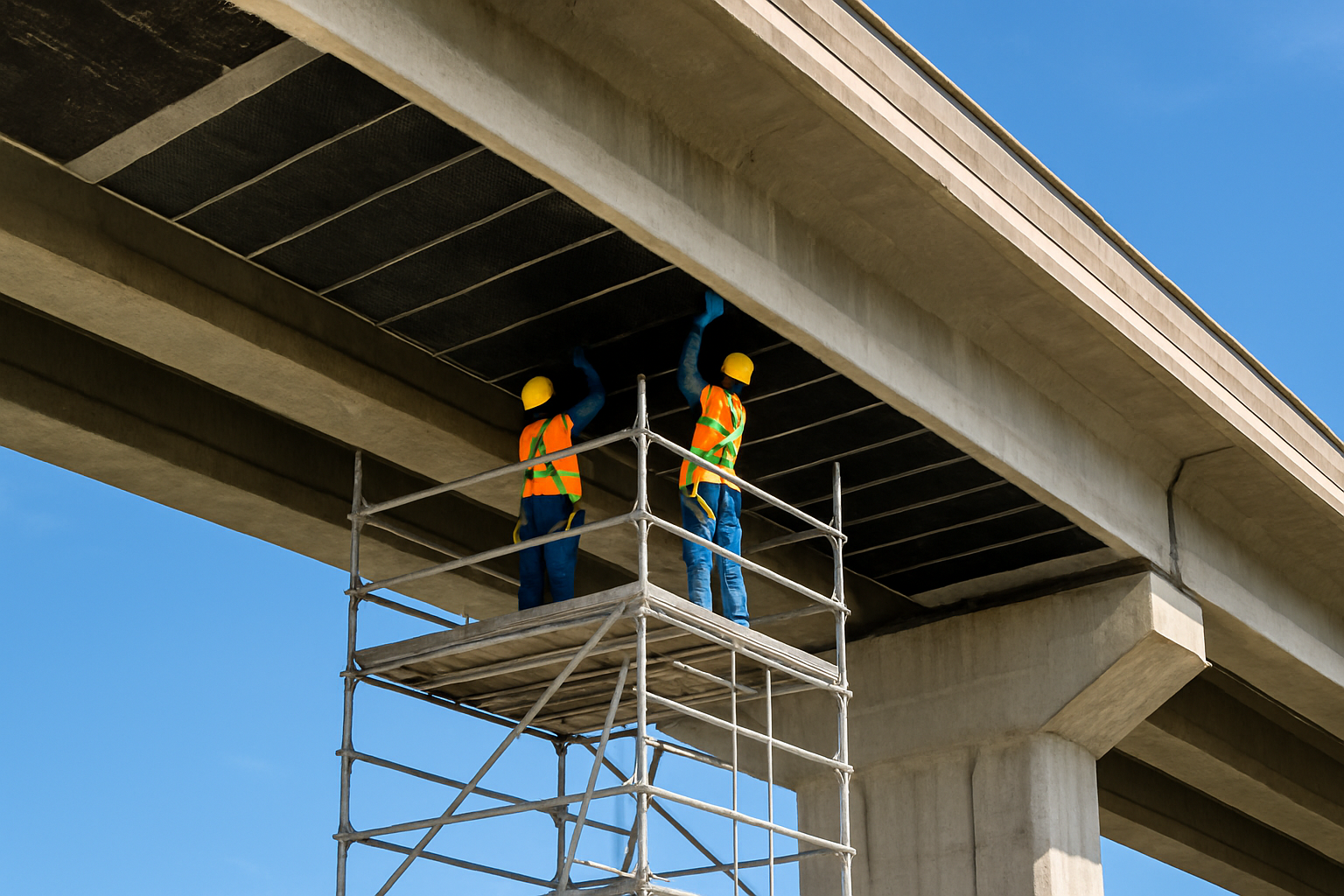
CFRP Plate RC Beam Flexural Strengthening
A structural engineer's guide to selecting and applying CFRP carbon fiber plates for RC beam flexural strengthening. Covers key specifications (tensile strength, elastic modulus, fiber volume fraction), ACI 440.2R and fib design requirements, installation procedure, and how to evaluate supplier data sheets.
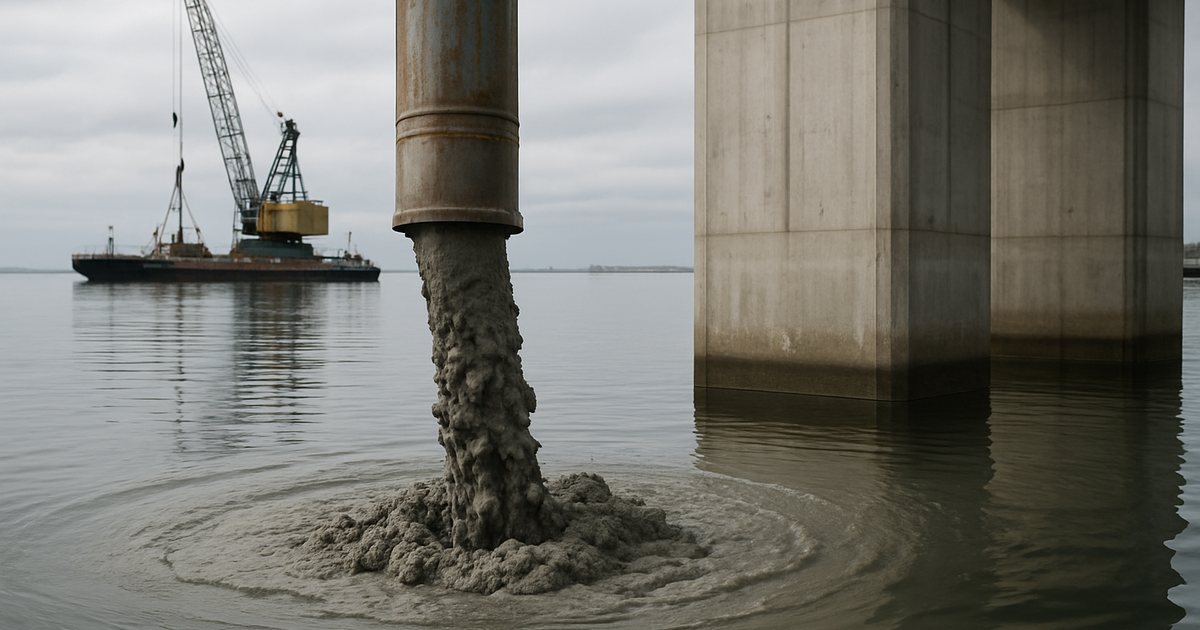
Underwater Epoxy Grout: Marine Pile Jacket
Complete manufacturer's guide to underwater epoxy grout for marine pile jacket rehabilitation. Covers FRP/HDPE/steel jacket grouting, 85-100 MPa compressive strength specs, seawater curing data, application procedure, and project specifications. EpiMax 480 alternative — factory direct pricing, MOQ from 500 kg.
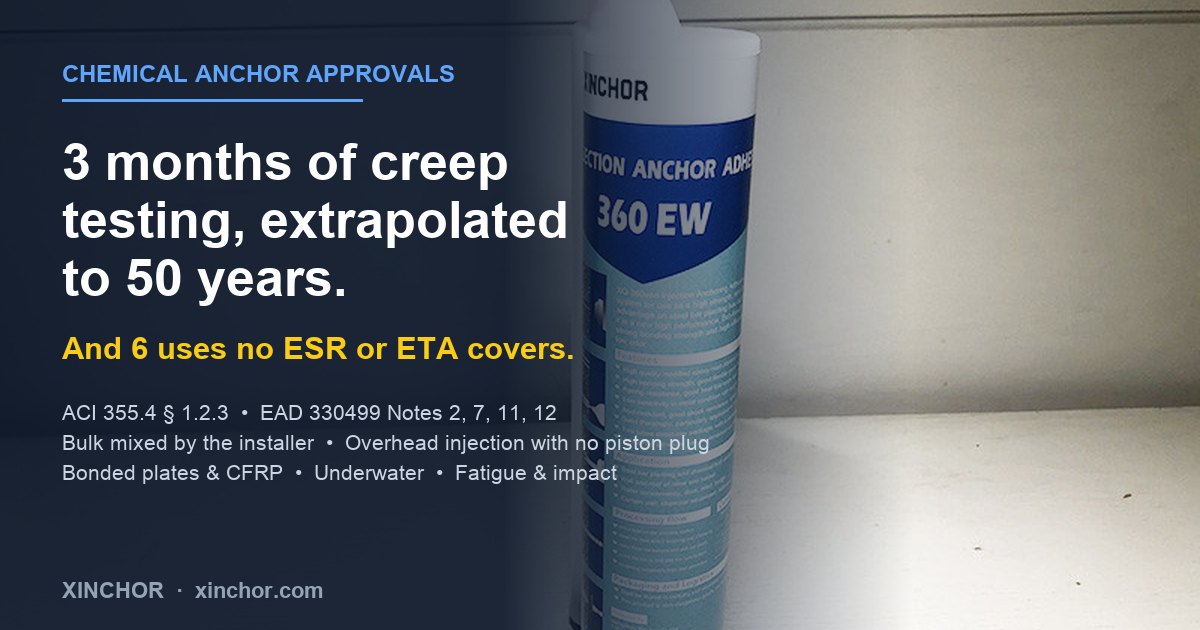
Chemical Anchor Approvals: ACI 355.4 & ETA
What an ICC-ES ESR or ETA really certifies: 3-month creep tests extrapolated to 50 years — plus 6 uses ACI 355.4 and EAD 330499 exclude outright. Approval costs, and what to demand without one. Get a document pack →
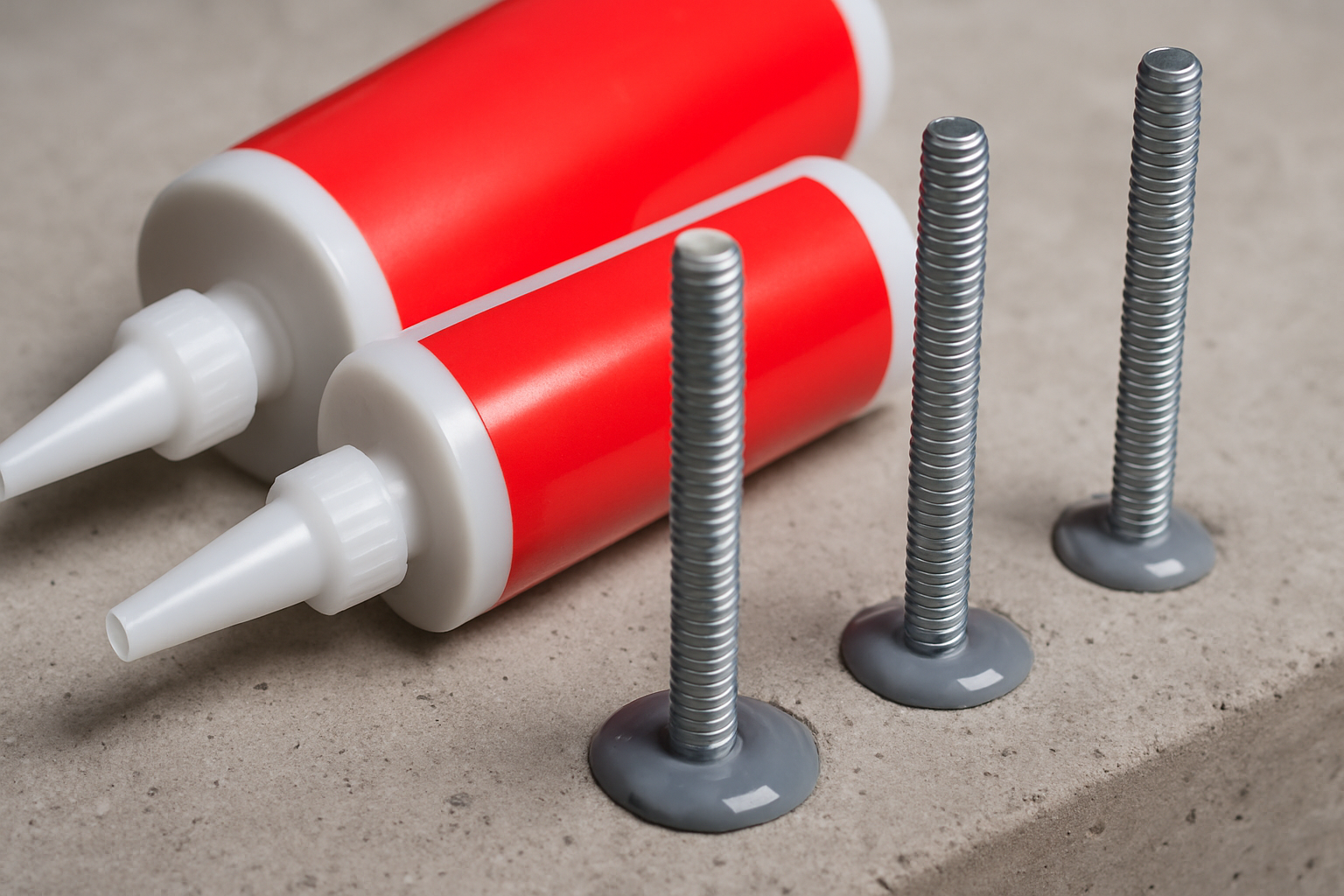
Top 10 Chemical Anchor Manufacturers China [2026]
A detailed guide to the leading chemical anchor and epoxy anchor manufacturers in China for 2026. Covers factory capabilities, certifications, product lines, and a comparison table to help contractors and distributors evaluate suppliers.
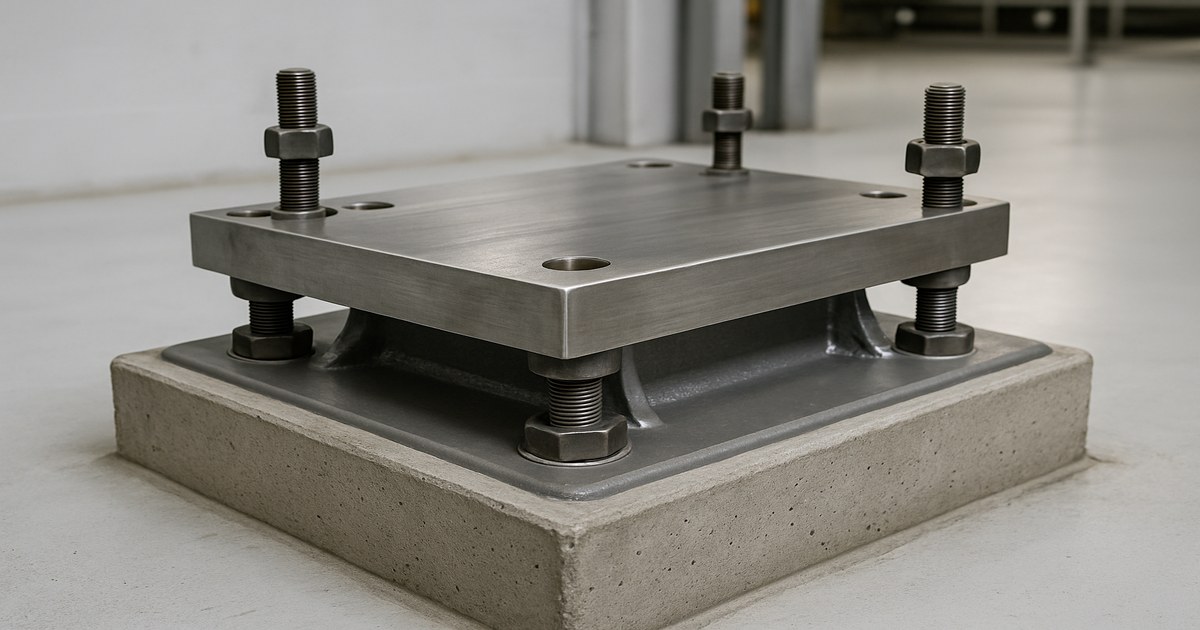
Epoxy Grout for Machinery Foundations: 80 MPa [2026]
Epoxy grout for machinery foundations: 80 MPa, API 686 baseplate grouting for pumps, compressors & mills. Pour limits, cure data, FOB price. Get a quote.
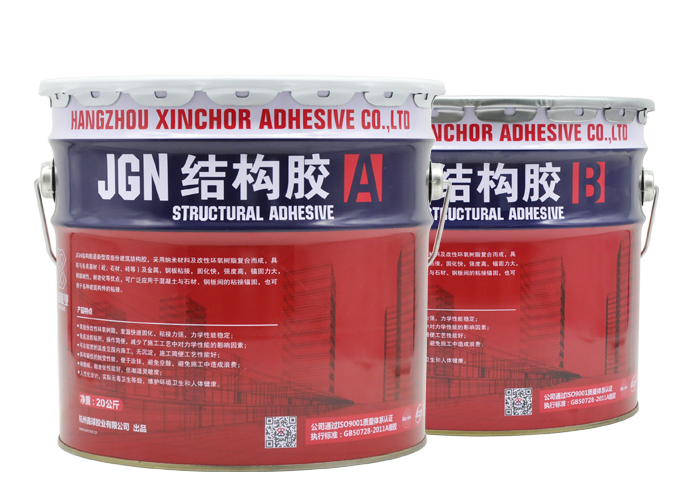
Two Part Adhesives: Epoxy vs PU vs MMA vs Silicone
Two part adhesives compared: epoxy, polyurethane, MMA, silicone & polysulfide — lap shear, elongation, mix ratios, shelf life & FOB prices. Side-by-side selection table. From a construction adhesive manufacturer. Free selection review →
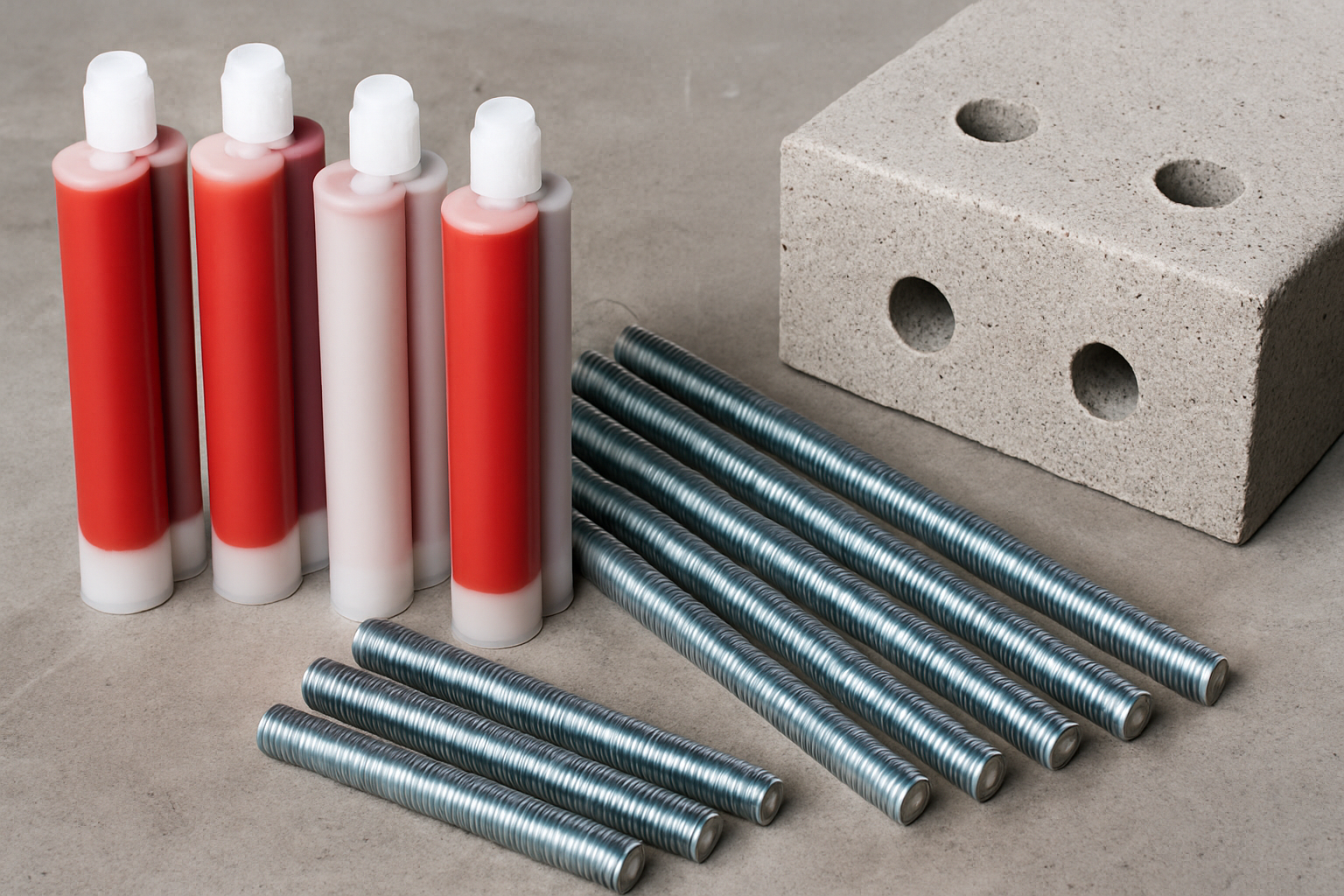
Epoxy Anchors: M12-M30 Pull-Out Data [2026]
Epoxy anchors for concrete: pull-out strength M12–M30 (C20–C40), cure time at 5–40°C, dusty-hole test (50% strength loss). Epoxy vs vinyl ester vs mechanical comparison. 26 patents. Factory direct — MOQ 500 cartridges. Get quote →
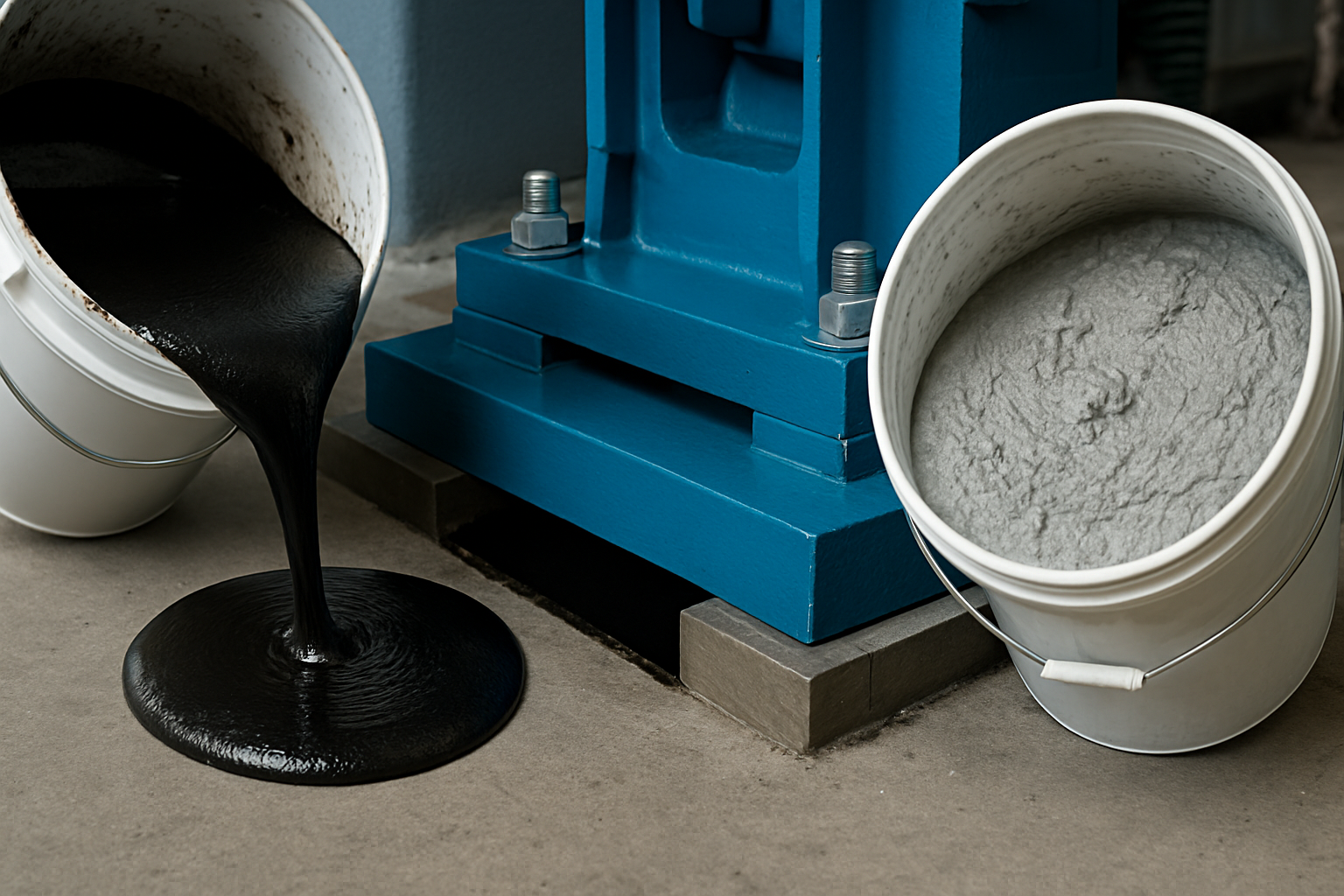
Cementitious vs Epoxy Grout: 40-100 MPa [2026]
Cementitious grout (40–80 MPa) vs epoxy grout (60–100 MPa): side-by-side comparison table — compressive strength, chemical resistance, shrinkage, cost/m³. Decision matrix for machinery bases, anchor bolts & underwater grouting. From a 20+ year grout manufacturer. Free selection guide →
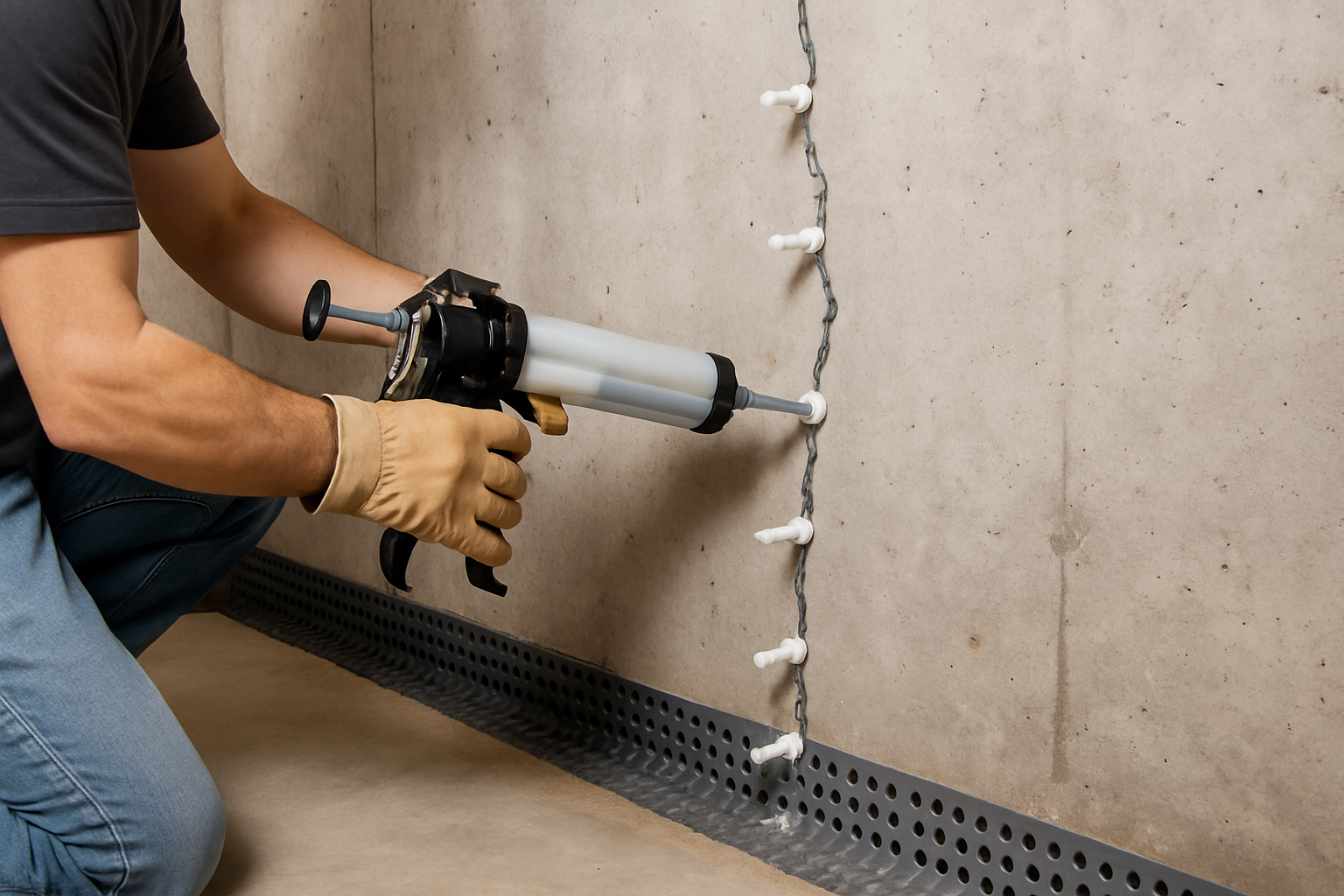
Foundation Repair: Injection vs Grouting vs CFRP
Concrete foundation repair: epoxy resin injection for cracks (0.1–5 mm, $25–$50/m), polyurethane waterproofing, void-fill grouting & CFRP strengthening. Side-by-side cost comparison. 20+ year manufacturer. Free consultation →
Resin Injection Foundations: Epoxy vs PU Cost [2026]
Resin injection for concrete foundations: epoxy vs polyurethane comparison (viscosity, strength, cost/meter), 8-step injection process, crack width chart 0.1–5mm. Foundation walls, basements, bridge decks. 26 patents, 20+ years. Factory direct — get quote →
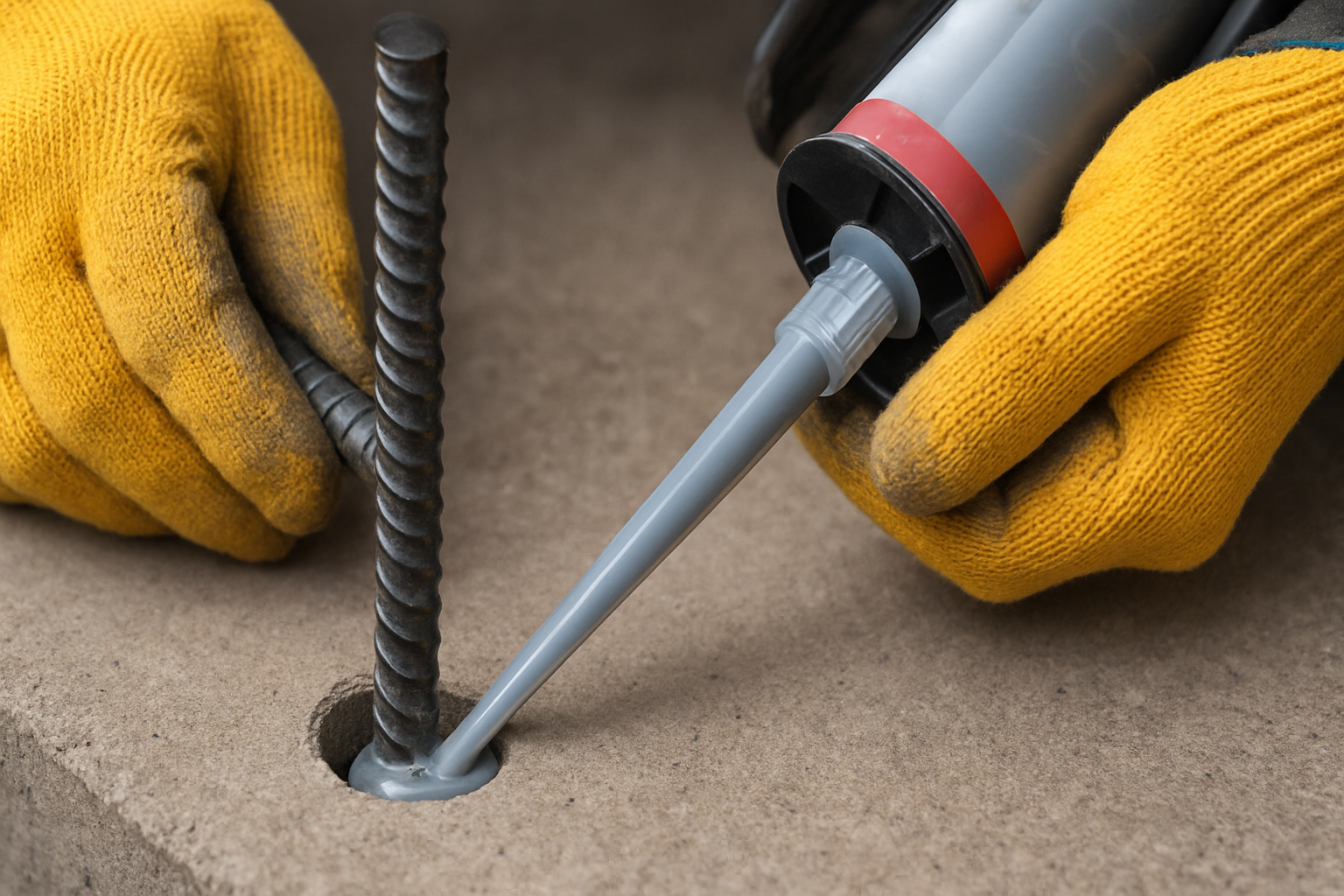
How to Anchor Rebar with Epoxy — M8-M32 Bond Data
Chemical rebar anchoring: embedment depths for M8–M32 in C20–C50 concrete, 10–16 MPa bond strength, cure chart -5°C to 35°C. ICC-ES AC308 compliant. FOB Ningbo, MOQ 50. Free sample →
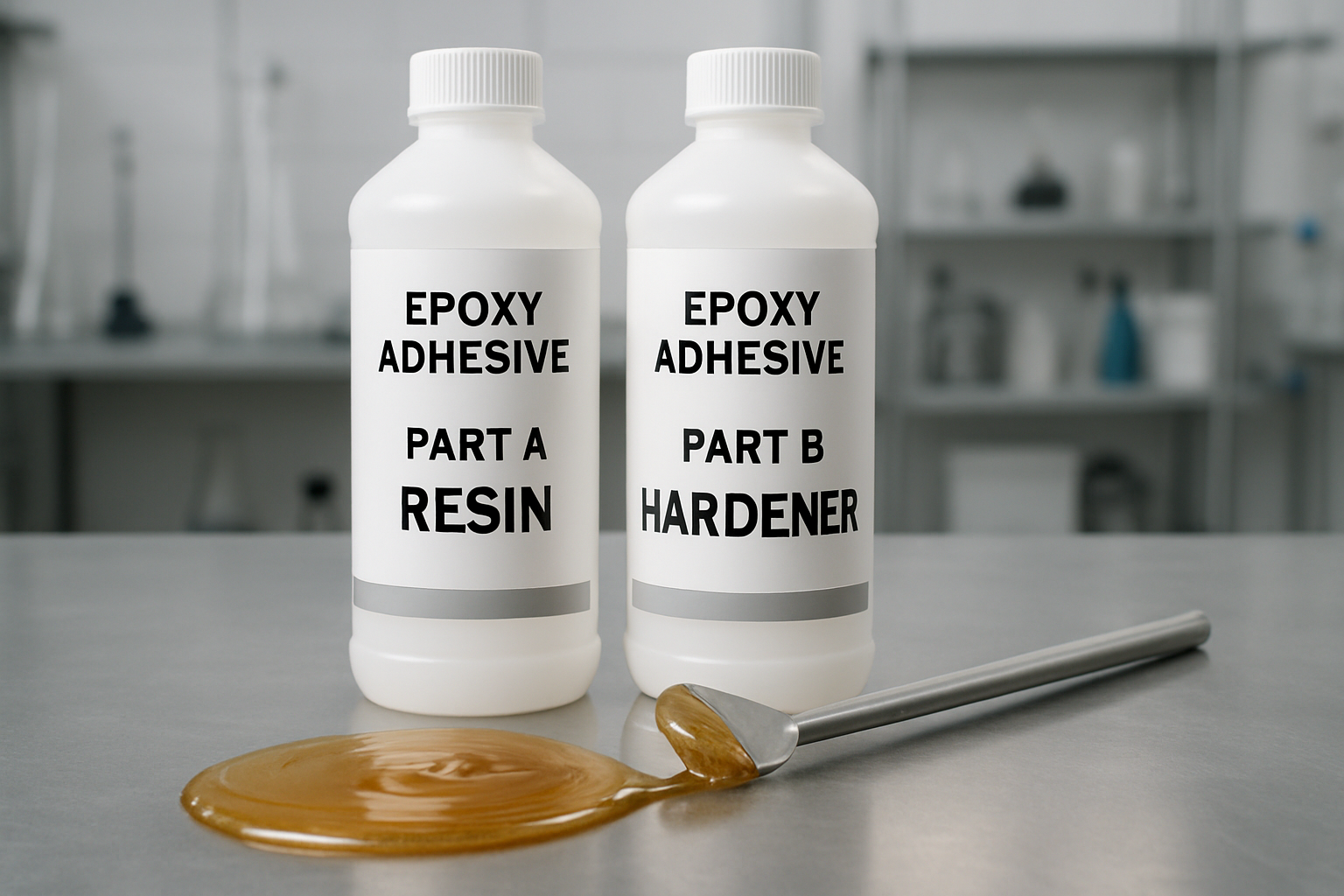
Two-Part Epoxy Adhesive: 4 Structural Types Compared
4 types of two-part epoxy: structural (40 MPa), general-purpose, fast-cure, flexible. Mix ratio table, cure times, bond data to concrete/steel/aluminum. MOQ 50 sets, FOB Ningbo. Free sample →
Underwater Concrete Repair: Epoxy & FRP Methods
Underwater concrete repair methods from a manufacturer: submerged epoxy crack injection (2–4 MPa bond), anti-washout cementitious grout (40–55 MPa), polymer mortar & CFRP wrapping for bridge piers, dams, marine piles. Material selection table included.
Non-Shrink Grout: ASTM C1107 40-80 MPa
Non-shrink grout engineering guide: ASTM C1107 / EN 1504-6 standards, compressive strength grades (40–80 MPa), expansion mechanisms, flow properties, and selection criteria for equipment bases, anchor bolts, precast connections. Cementitious vs epoxy grout decision tree. Manufacturer data.
Foundation Crack: Structural vs Cosmetic Repair
Foundation crack assessment: structural vs non-structural identification, width measurement, movement monitoring. When to use epoxy resin injection for foundations vs carbon fiber vs excavation. Decision flowchart from a repair materials manufacturer →
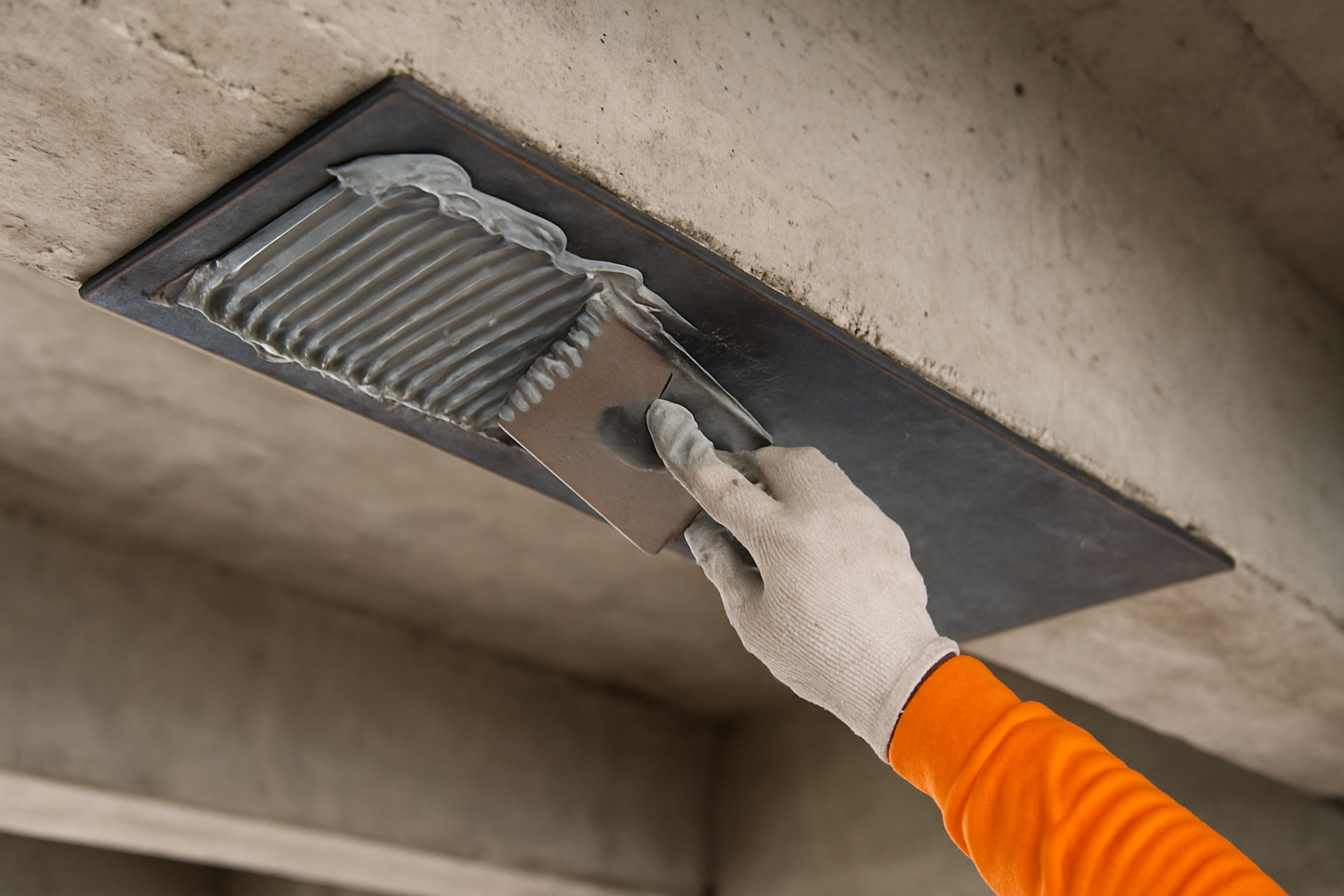
Structural Epoxy: 14-30 MPa Steel Bonding [2026]
Structural epoxy guide from a manufacturer: steel-to-concrete bonding (14 MPa shear), CFRP plate adhesive (18 MPa), metal-to-metal epoxy (20 MPa). Structural epoxy vs polyester vs vinylester comparison, surface prep methods, cure schedules & load-bearing applications. Factory direct.
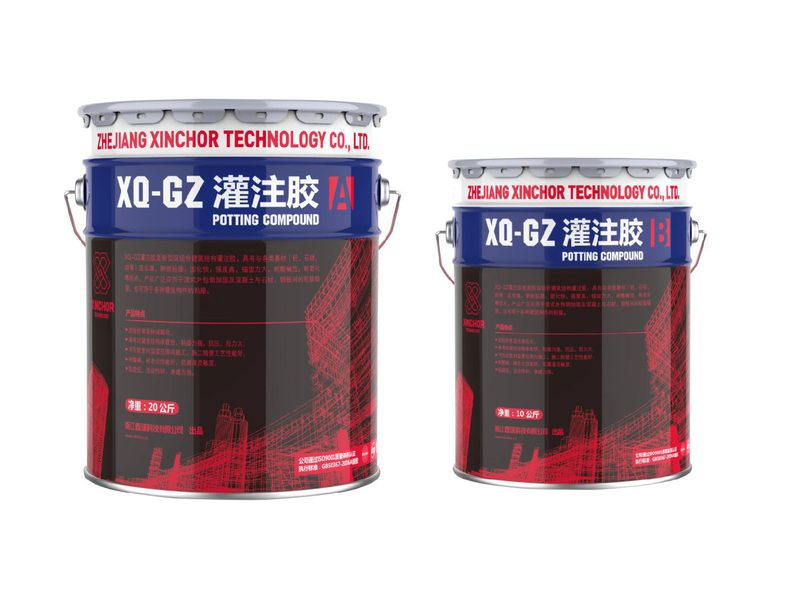
Cementitious vs Epoxy Grout: 40-80 MPa Data + Mix Ratios
Cementitious grout types explained: non-shrink (ASTM C1107), fast-setting & underwater anti-washout — 40–80 MPa strength data, water-to-powder ratios, placement procedures. Equipment foundations, anchor bolt pockets, void filling. 20+ year manufacturer. Factory direct pricing →
Underwater Concrete Repair: Cement & Epoxy Methods
Underwater concrete and cement repair: anti-washout grout (40–55 MPa), underwater cement mix design, epoxy crack injection for submerged structures. Covers dams, bridge piers, marine piles and dock foundations per ACI 546.2R. Grout manufacturer — project samples available →
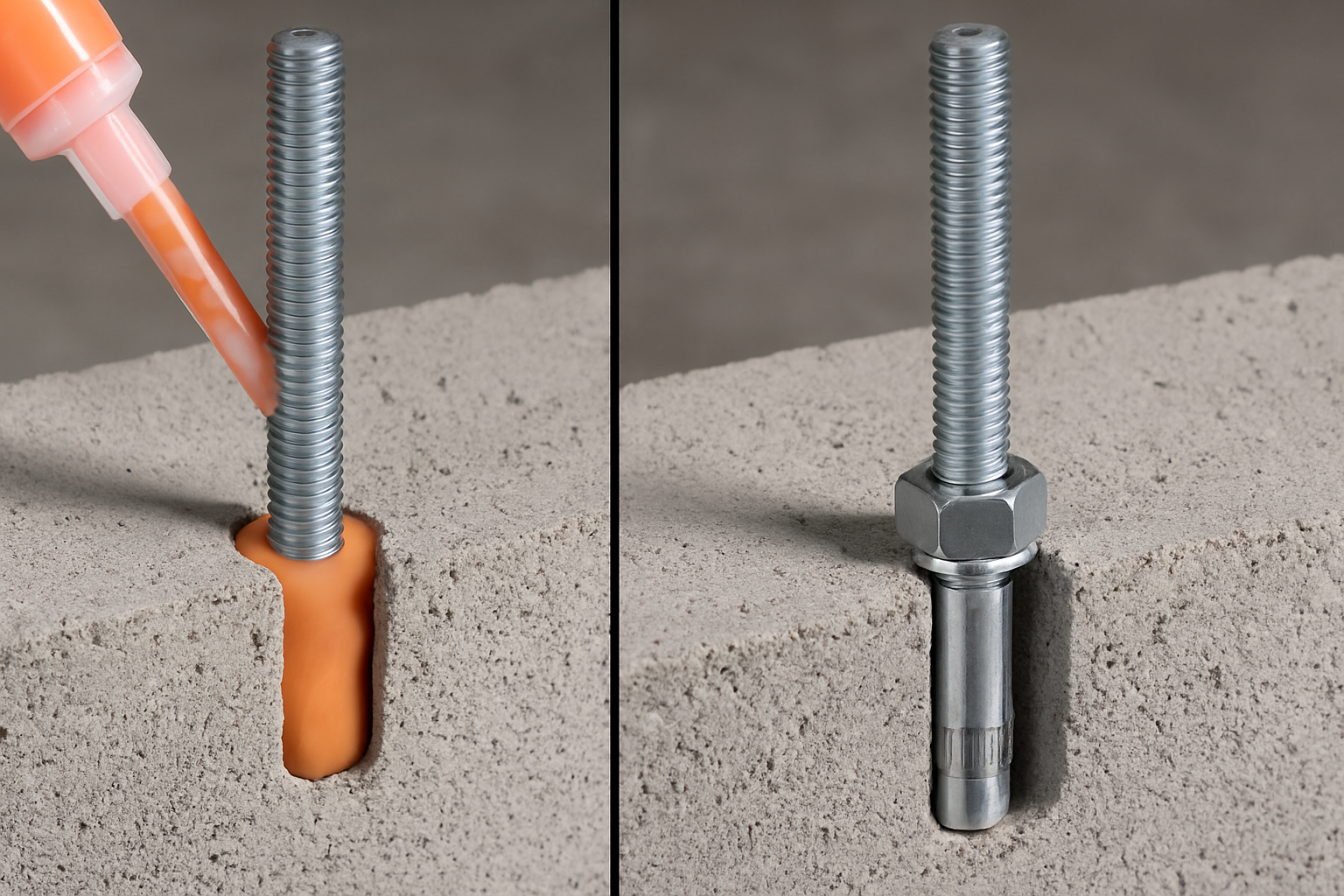
Stud Anchor vs Wedge Anchor: M8-M20 Load Data
Stud anchor vs wedge anchor compared: load capacity M8–M20, installation differences, removability, cost & seismic performance. Head-to-head data table with guidance on when to use stud anchors, wedge anchors, or chemical anchors instead.
Epoxy Anchors: 7 Types, M8-M36 Load Tables [2026]
Epoxy anchors complete guide: 7 types compared, pull-out load tables M8–M36, epoxy vs mechanical vs chemical anchor data. 8-step installation with hole-cleaning lab results. Seismic C1/C2 qualified. 26 patents. Factory direct — MOQ 500 cartridges →
Cementitious vs Epoxy Grout: Cost & Strength [2026]
Cementitious grout vs epoxy grout: 60–80 MPa vs 80–100 MPa compressive strength, chemical resistance, shrinkage, cost/m³ comparison table. Decision tree for machinery bases, anchor bolts, post-tensioning & seismic retrofit. Manufacturer data — free sample available →
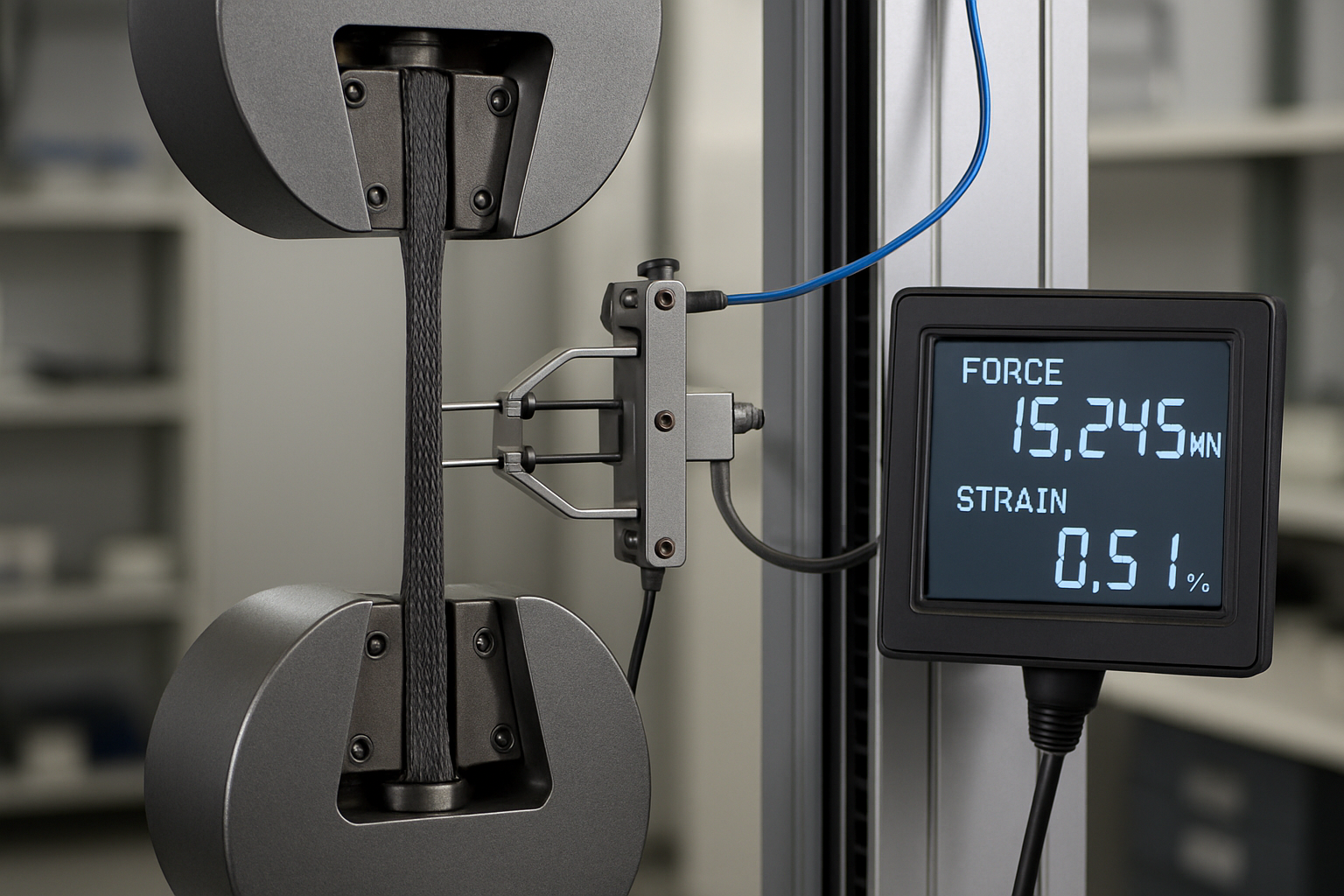
Carbon Fiber Modulus of Elasticity: 230-390 GPa Data
Carbon fiber elastic modulus: 230 GPa (standard) to 390 GPa (high modulus). Comparison vs steel, aluminum & glass fiber. Specific modulus for CFRP structural design. Manufacturer test data →
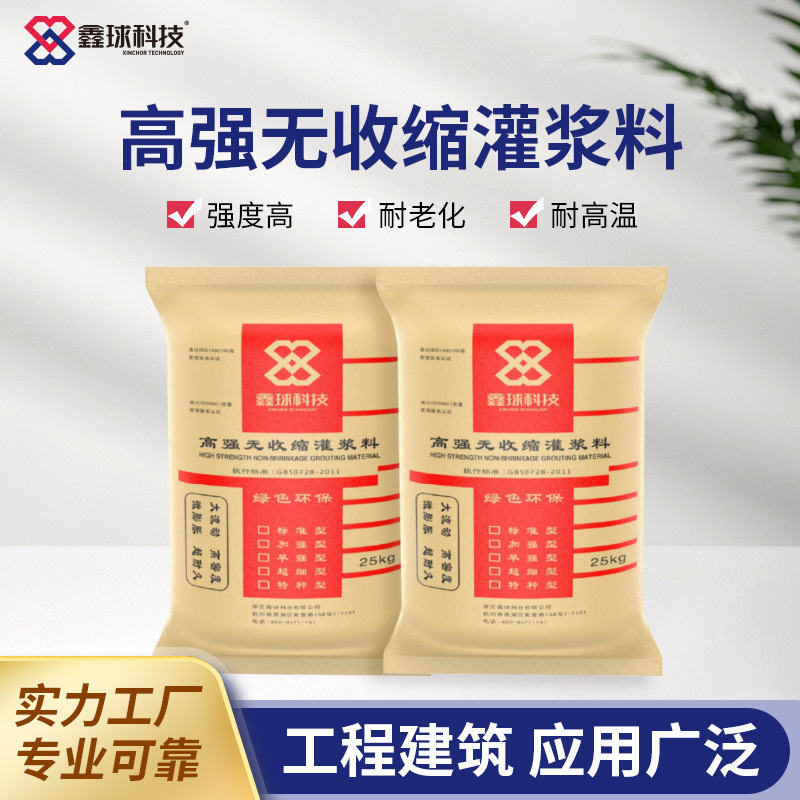
Cementitious Grout: Types, Strength & How to Choose
Non-shrink, 80 MPa high-strength, microfine, and underwater cementitious grout: compressive strength, flow, shrinkage data, and application guide. Machine base and PT duct grouting. 26 patents, FOB Ningbo →
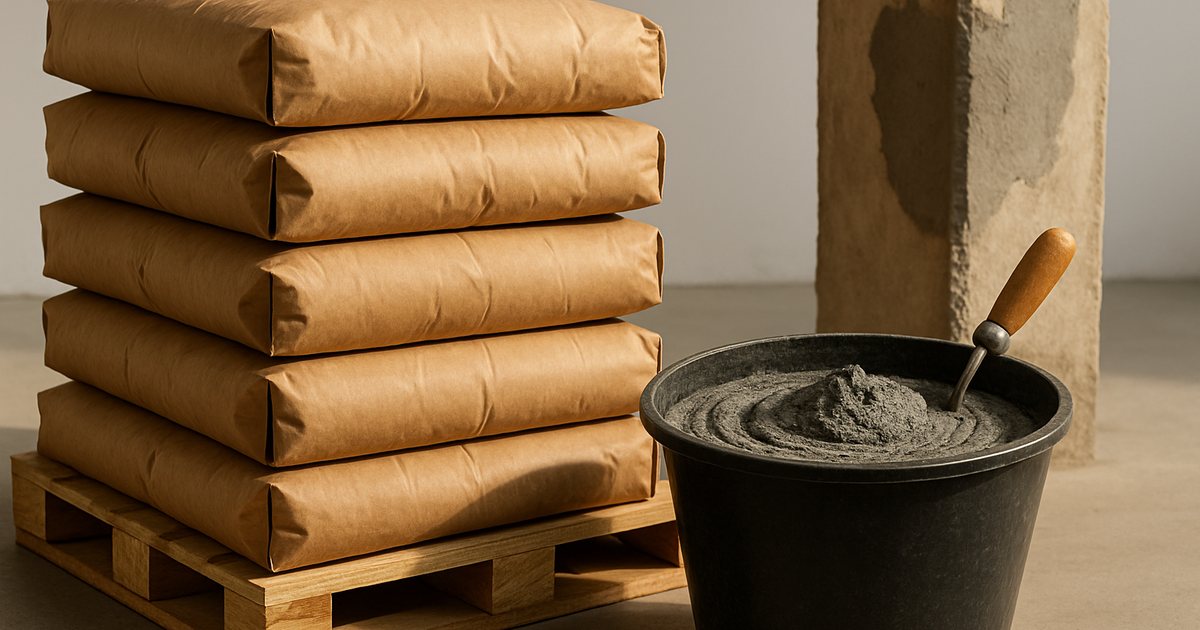
Concrete Repair Mortar Market 2026: Size, CAGR & FOB Prices
Concrete repair mortar market: USD 2.3–3.3B in 2025, 5.6–7.9% CAGR. Why reports disagree, 2026 FOB price bands and freight math from a factory. Get a quote.

Epoxy Anchor Systems: Installation & Load Ratings
Epoxy anchor systems guide: installation procedures, tensile and shear load ratings (M8–M30), epoxy vs vinyl ester vs hybrid resin selection, seismic qualification data (C1/C2), embedment depth calculations, and hole cleaning protocols. From a chemical anchor manufacturer with 20+ years of field data.
Epoxy Resin Injection Foundations: ACI 562 [2026]
Epoxy resin injection for foundations: structural crack restoration ($25–$50/m), polyurethane waterproofing, soil stabilization. Viscosity, tensile strength & crack width compatibility data. ACI 562 procedures. 20+ year manufacturer — free sample →
Resin Injection for Concrete Foundations [2026]
Resin injection for concrete foundations: viscosity-to-crack-width penetration chart (0.1–5mm), epoxy vs polyurethane comparison, 7 failure modes from 100+ returned samples. Manufacturer lab data for specifiers. Free technical consultation →
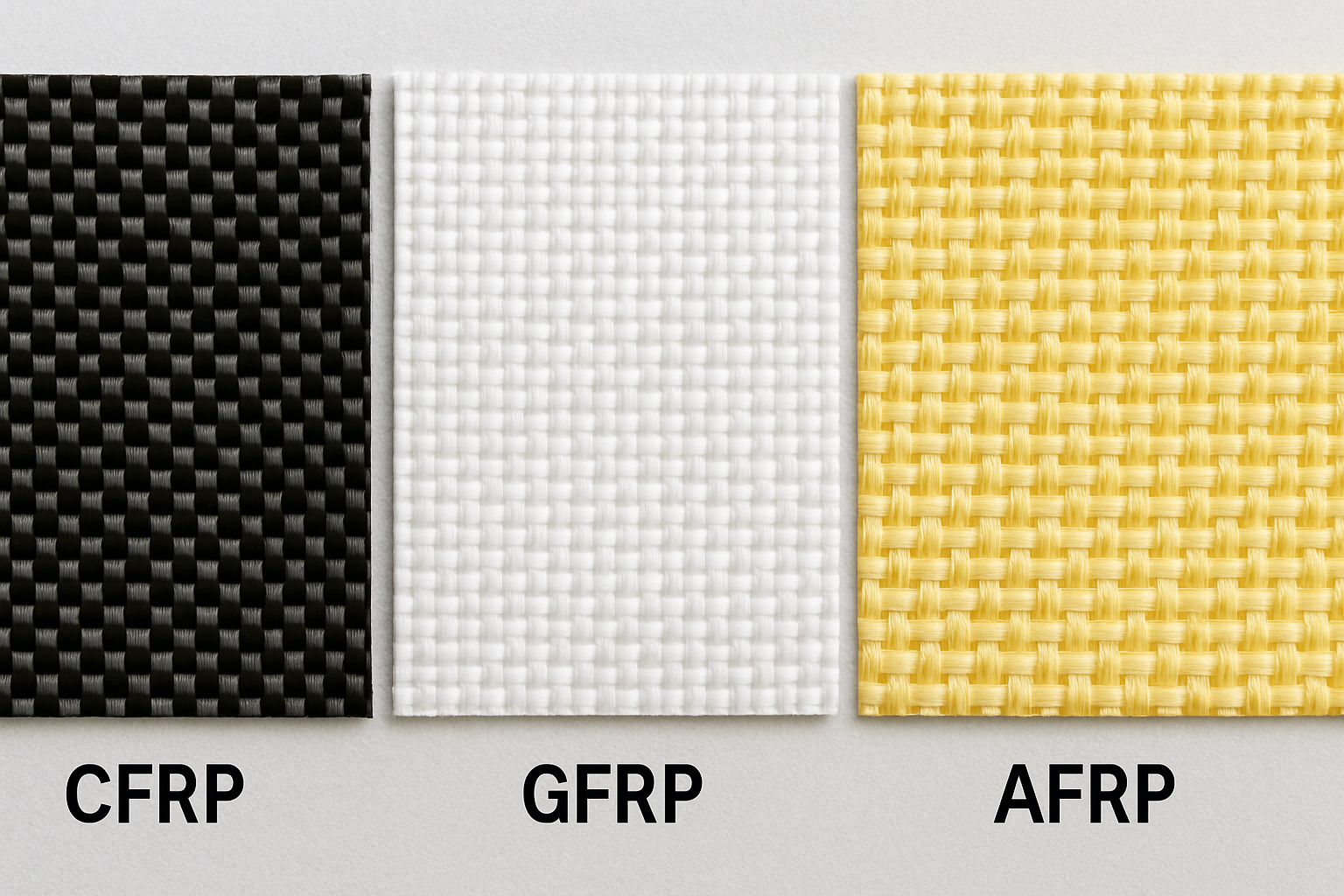
FRP: GFRP vs CFRP vs AFRP vs BFRP [2026]
The definitive 2026 guide to Fiber Reinforced Polymer (FRP) in construction. Covers all 4 types — GFRP, CFRP, AFRP, BFRP — with full property comparison tables, FRP rebar vs steel rebar lifecycle cost analysis, CFRP structural strengthening methods, design standards (ACI 440, GB 50608, fib Bulletin 14), and real-world pricing data from a manufacturer with 20+ years of production experience.
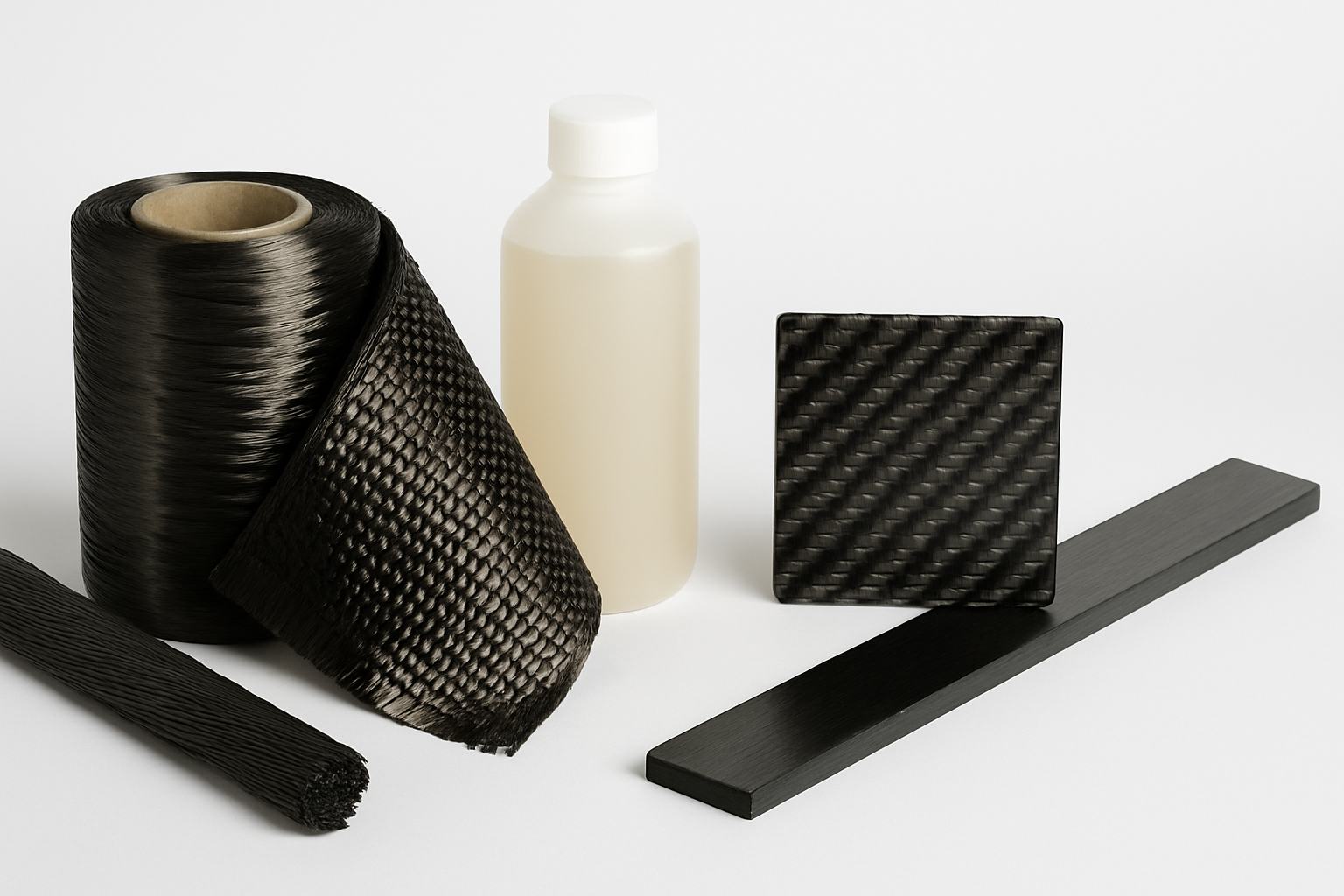
CFRP Full Form: Carbon Fiber Reinforced Polymer [2026]
CFRP = Carbon Fiber Reinforced Polymer. Tensile strength 3,400 MPa, modulus 230 GPa, density 1.8 g/cc. Full CFRP properties table, manufacturing methods, and structural strengthening applications. Data from a CFRP fabric and plate manufacturer.
Underwater Concrete: Anti-Washout & Tremie [2026]
Anti-washout mix design, AWA dosage tables, tremie rules and washout limits under 10%, plus 2026 FOB prices and MOQ from an underwater grout factory. Get a quote.
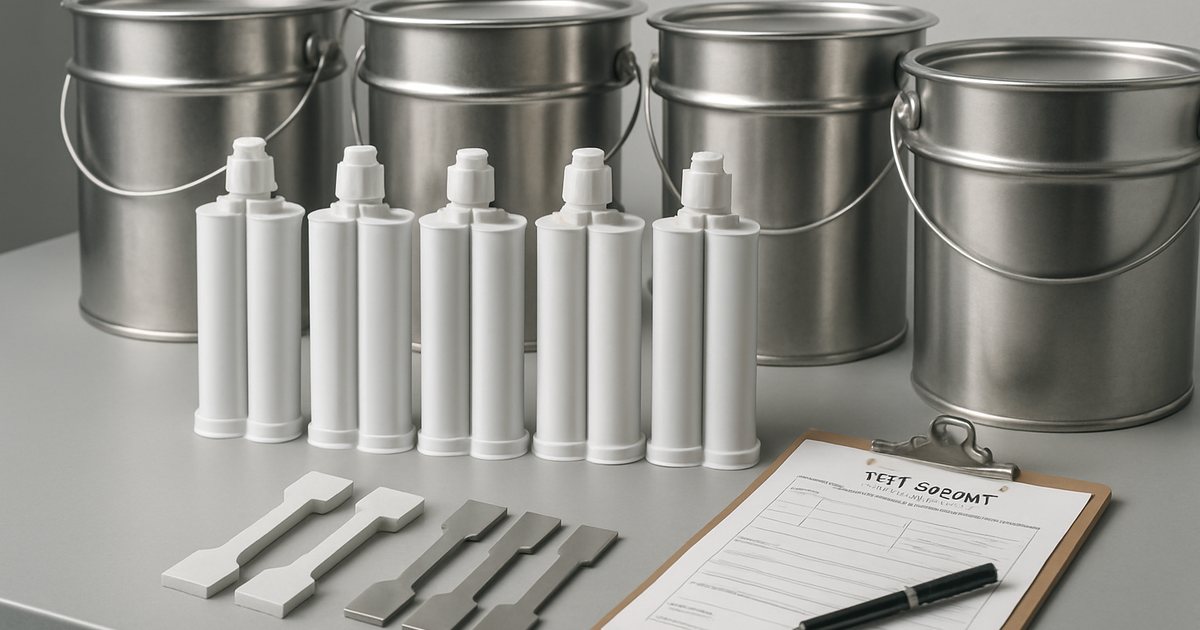
Structural Adhesive Supplier: Qualify Epoxy Mfr
The 5-document pack that separates a real epoxy factory from a trading office, plus 2026 FOB price bands, MOQ, lead times and OEM terms. Free spec comparison.
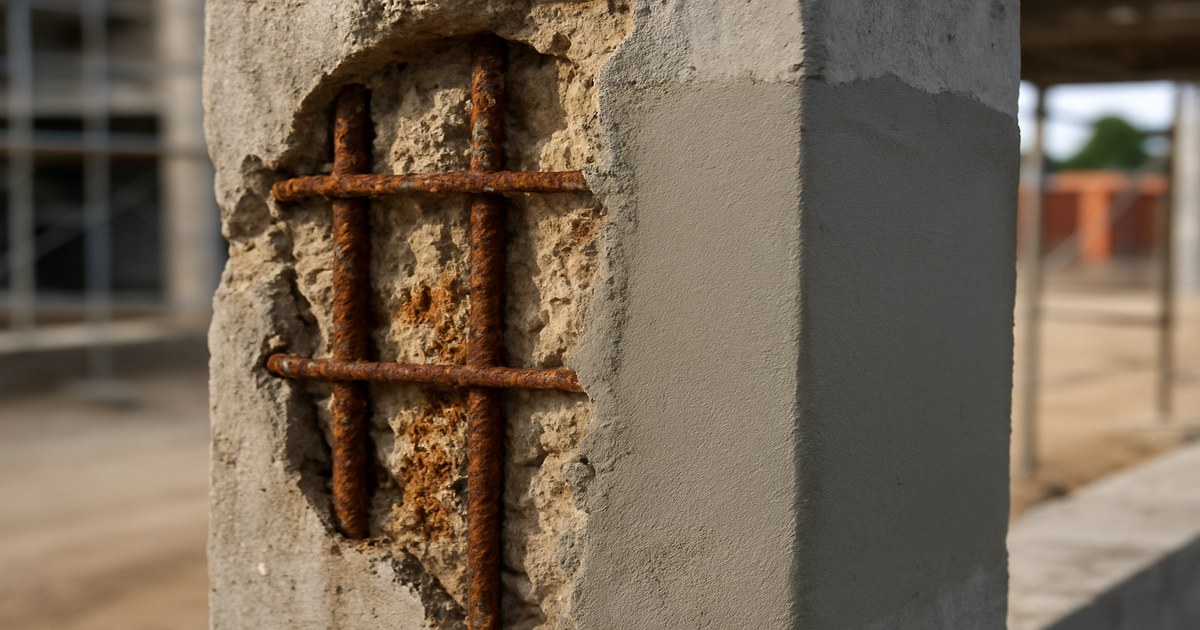
Concrete Corrosion Repair: Rebar Spalling
A manufacturer's guide to repairing corrosion-damaged reinforced concrete. Covers diagnosis (half-cell potential, chloride titration, carbonation depth), the EN 1504 repair principles, breakout geometry, rebar cleaning, repair mortar selection, and CFRP strengthening — with material specs, MOQ, and FOB pricing.
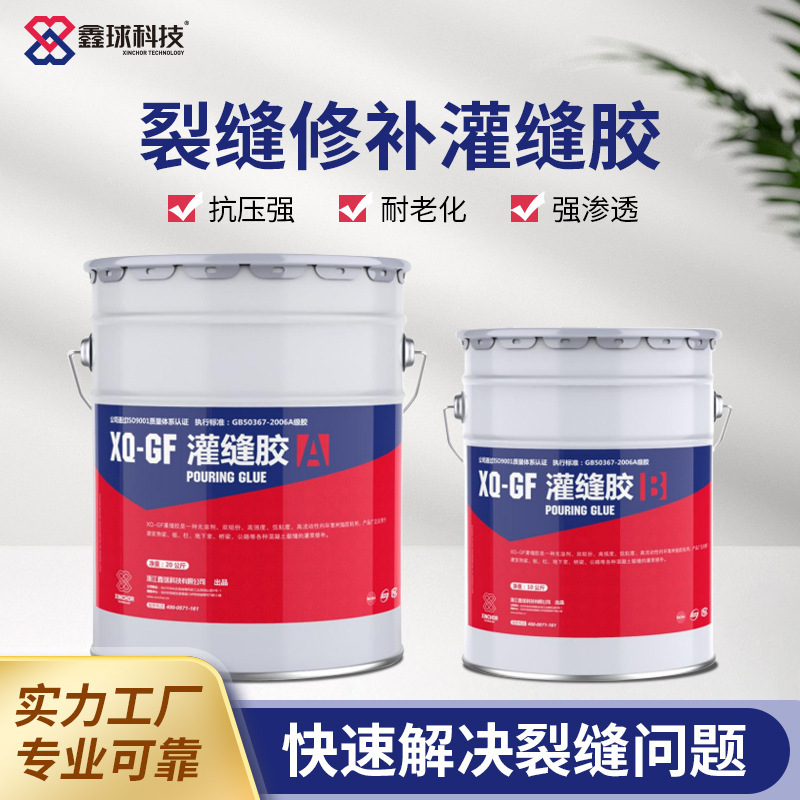
Concrete Crack Injection: Epoxy Step-by-Step
The most detailed concrete crack injection guide available: injection pressures by crack width (0.05-5mm), resin viscosity selection charts, equipment checklists with costs, port spacing calculations, ACI/ASTM/EN compliance data, and real-world cost analysis from $8-$30/linear meter. Written by a manufacturer with 20+ years and 3,000+ projects across 40 countries.
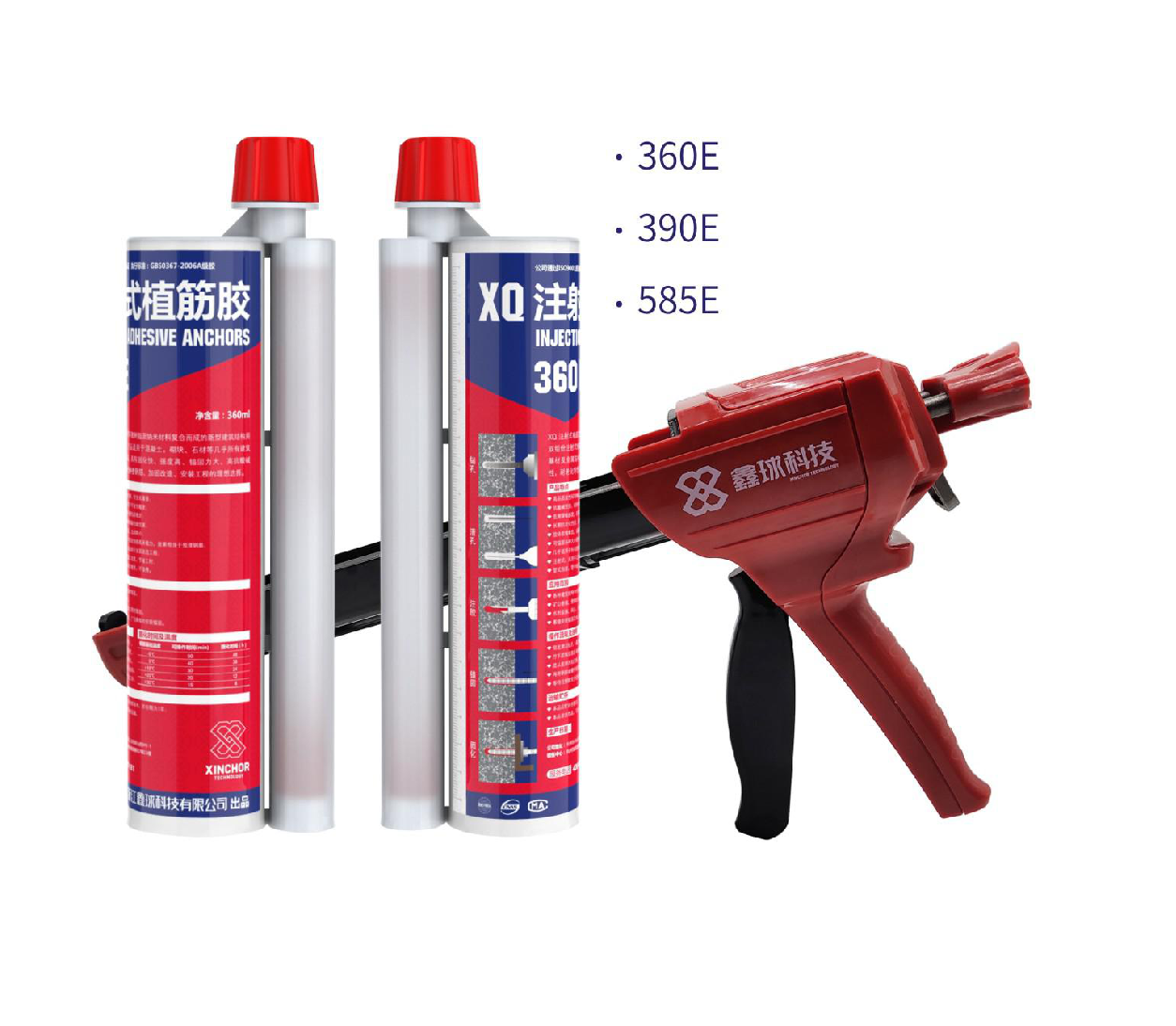
Epoxy Anchor Manufacturer China: Direct Sourcing [2026]
Complete guide to sourcing epoxy anchors from China manufacturers. Covers factory selection criteria, product specifications (585ml, 600ml, 650ml), certifications, pricing, MOQ, and how to evaluate chemical anchor suppliers. From a manufacturer with 20+ years of production experience and 26 patents.
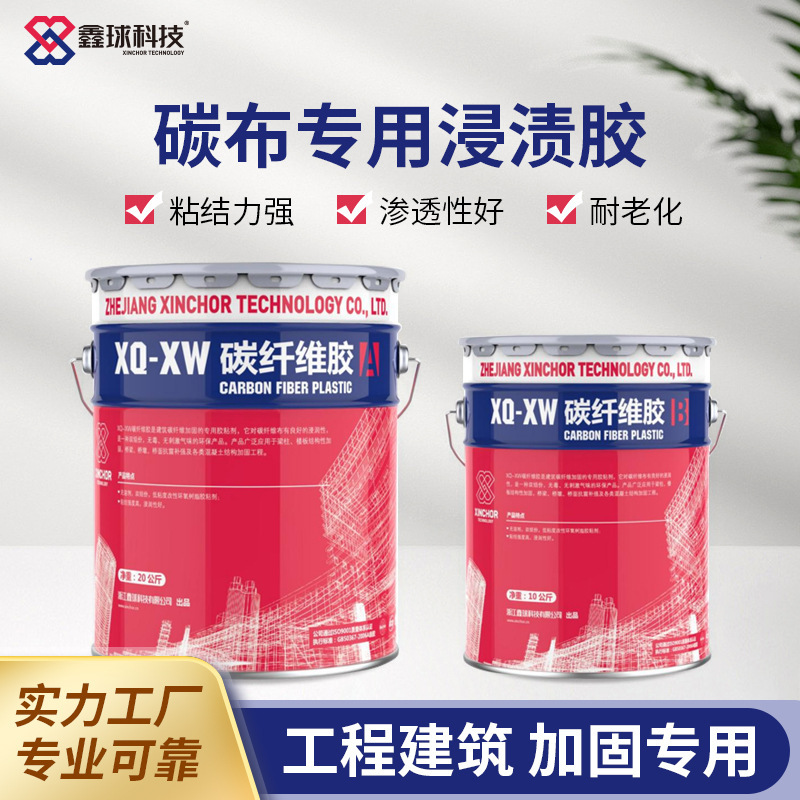
Ultra-Thin Carbon Fiber Fabric: 0.111-0.167mm
Carbon fiber fabric used in structural strengthening is only 0.111mm to 0.167mm thick — thinner than a credit card. This article explains why such thin material delivers powerful reinforcement results, covering material properties, load transfer mechanisms, and real-world performance data.
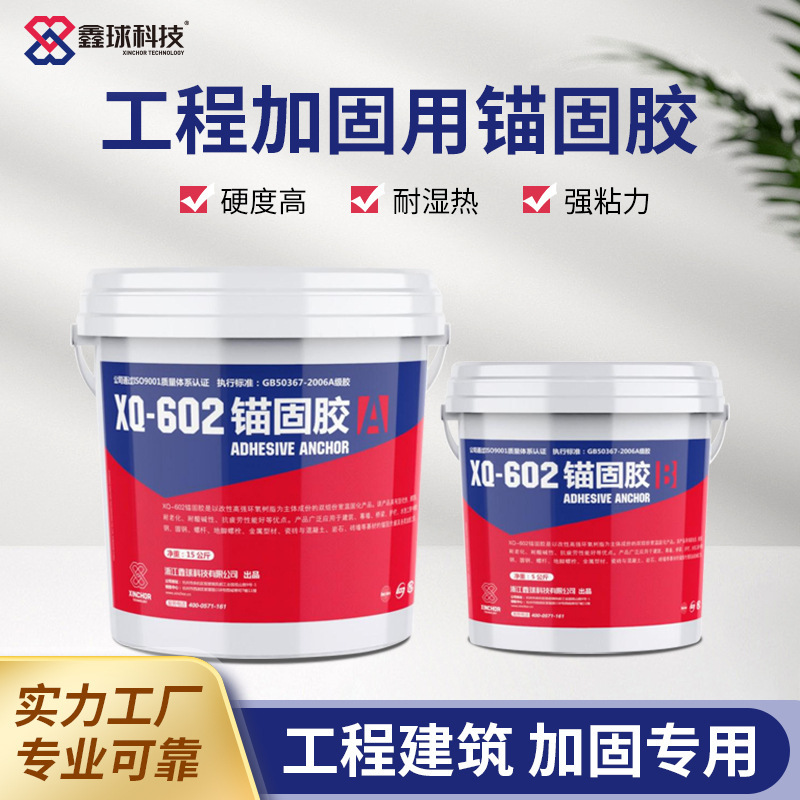
Rebar Planting Adhesive: Dynamic Load Performance
Rebar planting (post-installed rebar anchoring) looks simple — drill, inject adhesive, insert rebar. But why does it perform so reliably under dynamic loads and decades of service? This article explains the material science, design principles, and construction quality factors behind its proven track record.
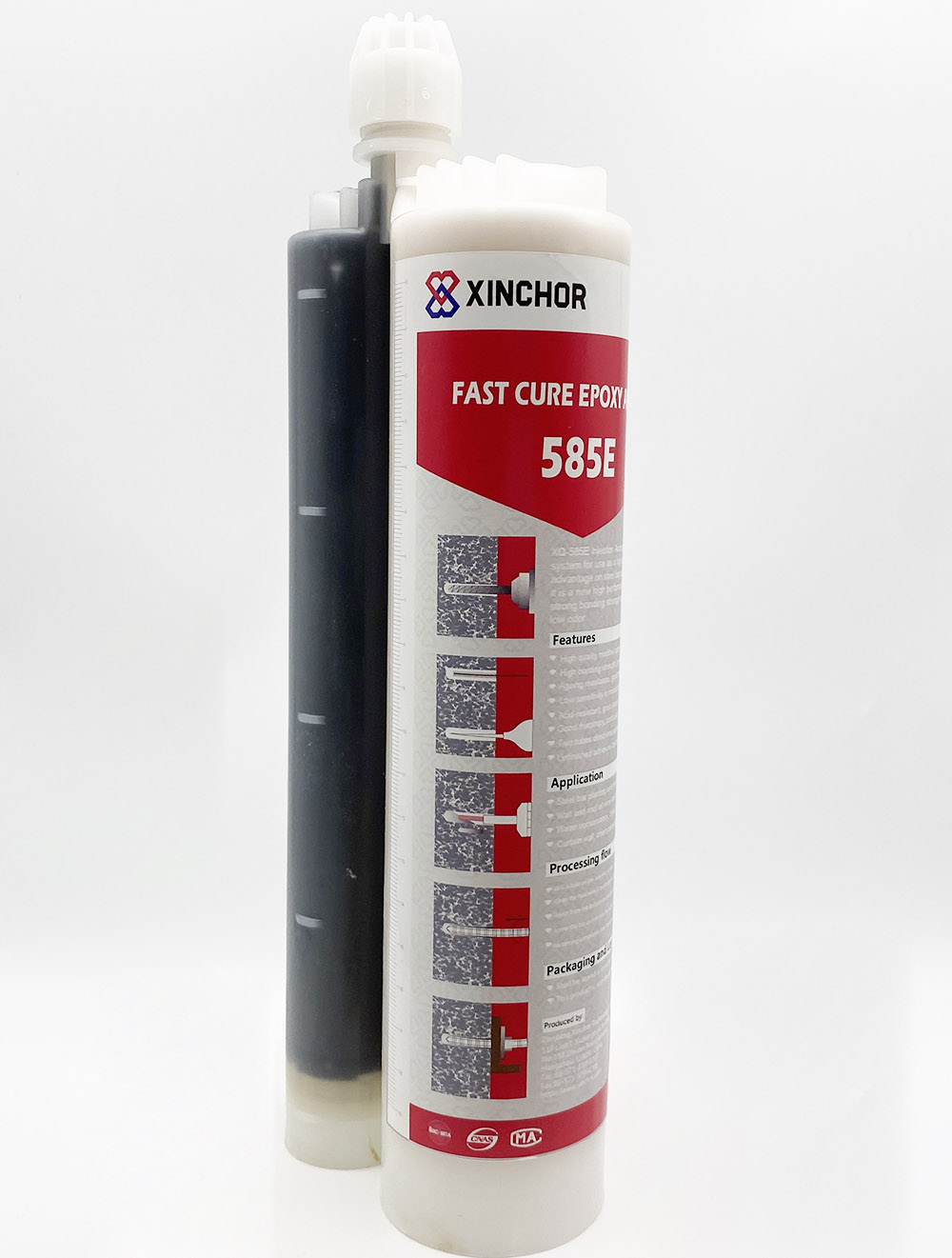
Anchor Adhesive for Rebar Planting: Selection
Choosing the right anchor adhesive directly affects structural safety and project quality. This guide covers formulation types, performance indicators, certification requirements, environmental considerations, and practical selection criteria to help engineers and contractors make informed decisions.
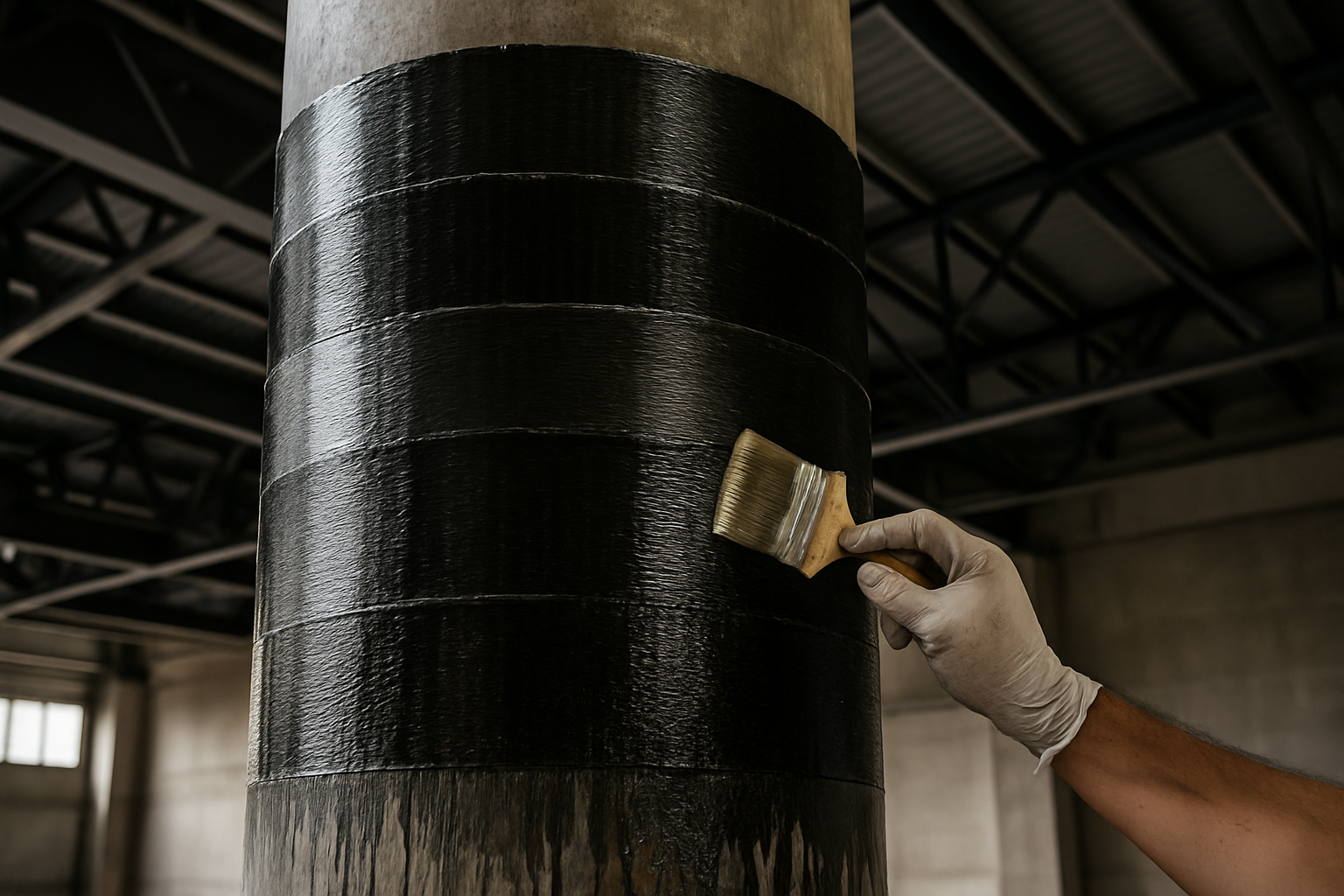
Tunnel Reinforcement: Shotcrete & FRP Methods
A manufacturer's guide to tunnel reinforcement methods covering shotcrete linings, FRP structural reinforcement, rock bolt chemical anchoring, crack injection, and waterproofing grouting. Includes material specifications, application procedures, and selection criteria for different tunnel types and ground conditions.
Structural Adhesive Selection Guide [2026]
A manufacturer's decision framework for selecting structural adhesives in construction. Covers substrate compatibility, load type analysis, environmental exposure assessment, and product recommendations for concrete repair, steel bonding, CFRP installation, anchoring, and precast assembly.
585ml Epoxy Anchor Guide
Guide to 585ml epoxy anchor.
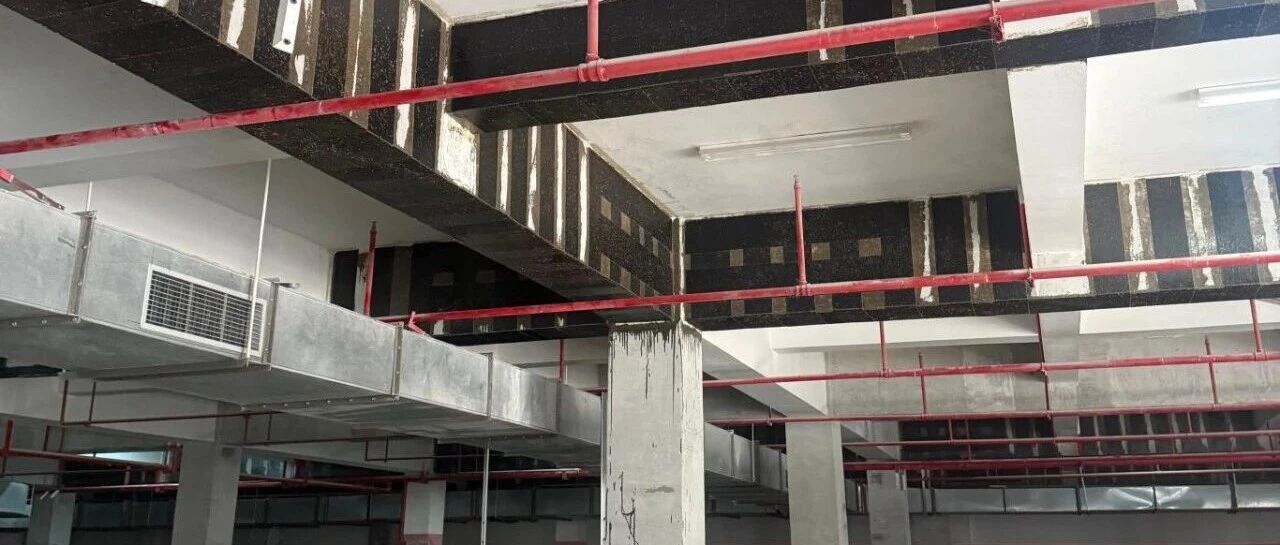
Underground Garage: CFRP + Steel Plate Reinforcement
Real project case study: How XINCHOR carbon fiber fabric and steel plate bonding reinforced a newly built underground parking garage in Hangzhou. Covers material selection, installation process, and structural performance results.
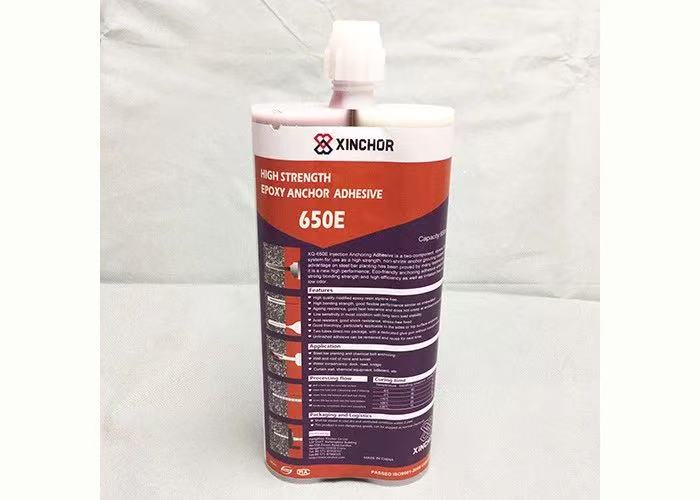
Chemical Anchor Cartridge: 390 vs 585 vs 600ml
Choosing the right chemical anchor cartridge size directly impacts installation speed, cost per anchor point, and structural performance. This manufacturer's guide compares 390ml, 585ml, and 600ml cartridges with pull-out data, rebar compatibility, and project scenarios.
CFRP Strengthening Systems: Structural Rehab
A manufacturer's technical guide to CFRP strengthening systems covering wet lay-up fabric, pultruded plates, prestressed CFRP, and near-surface mounted (NSM) strips. Includes design principles per ACI 440.2R, material properties, installation methods, and project selection criteria.
Structural Adhesive: Steel-to-Concrete Bonding
Structural adhesive bonding guide — structural adhesive epoxy, polyurethane & methacrylate for metal bonding, steel-to-concrete & CFRP applications. Shear strength data, surface preparation & substrate compatibility. Structural adhesive metal bonding from manufacturer.
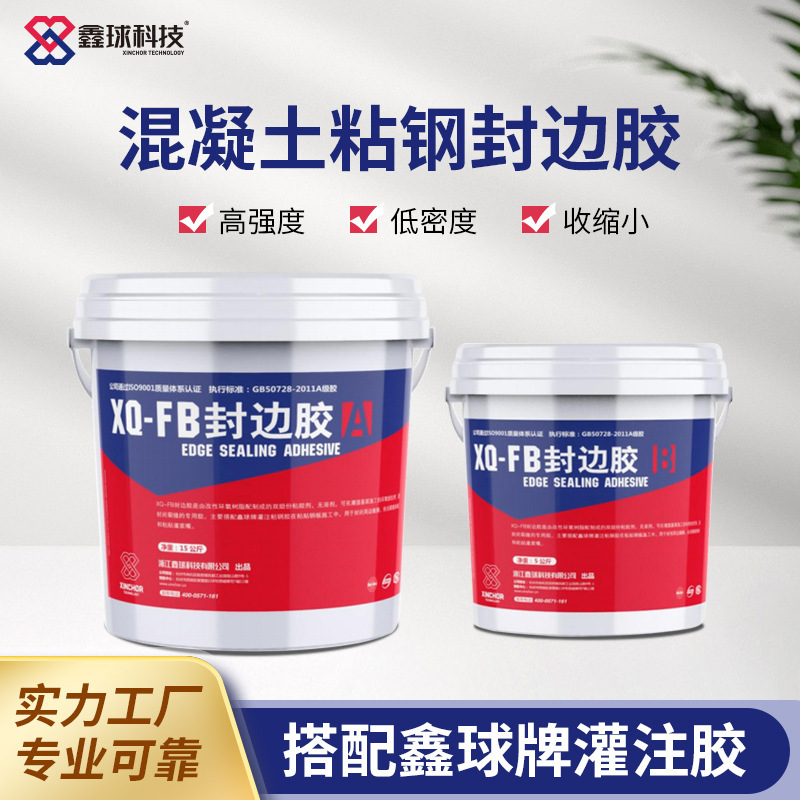
Polymer Modified Mortar: Strength Data & Mix Design [2026]
Polymer modified cementitious mortar guide — SBR, acrylic & VAE polymer modifications. Compressive & flexural strength data, water resistance, mix design. Cementitious repair mortar for concrete repair, waterproofing & tile adhesion. Manufacturer direct.
Epoxy Anchor Pull-Out Strength: ASTM E488 Data
Epoxy anchor pull-out strength: characteristic bond stress by concrete grade, ASTM E488/EOTA test procedures, M12–M30 capacity tables, embedment depth calculations. Field testing protocols. Epoxy anchor manufacturer →
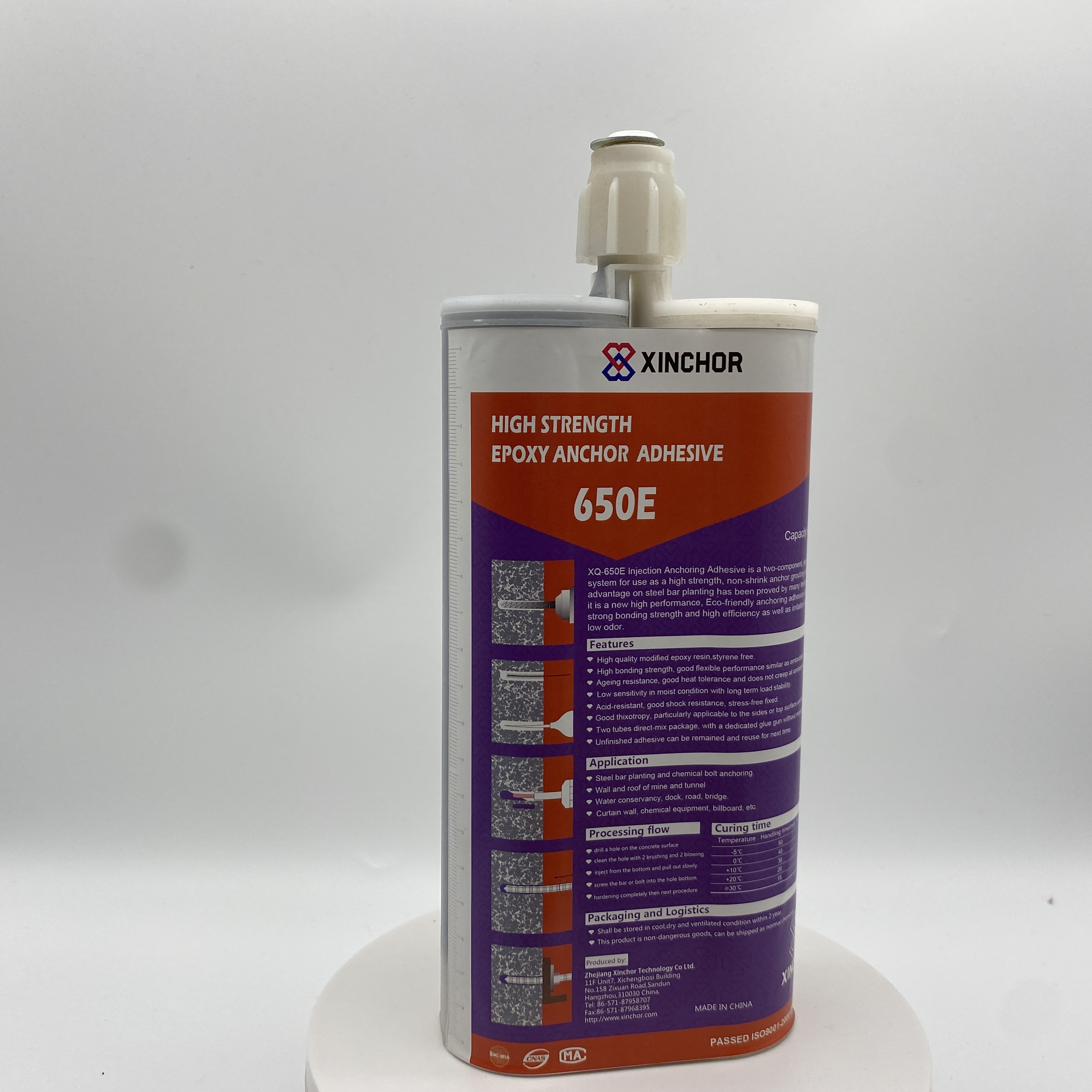
650ml Chemical Anchor: Fast-Set Vinyl Ester Guide
Guide to chemical anchor for structural strengthening from XINCHOR manufacturer.
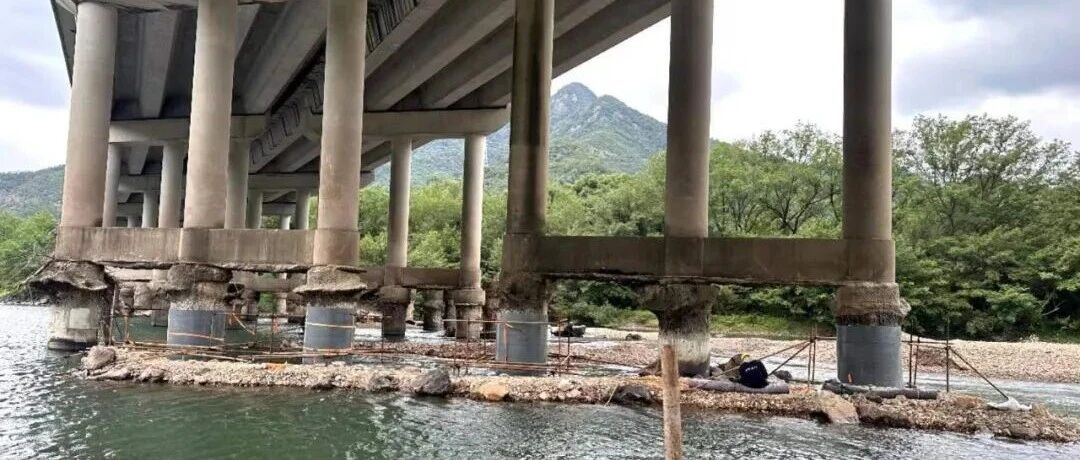
Underwater FRP Sleeve: Bridge Pier Repair
How FRP (fiberglass) sleeve jacketing systems repair underwater bridge piers and dock piles without cofferdam construction. Covers material properties, installation process, and advantages over traditional steel sleeve methods.
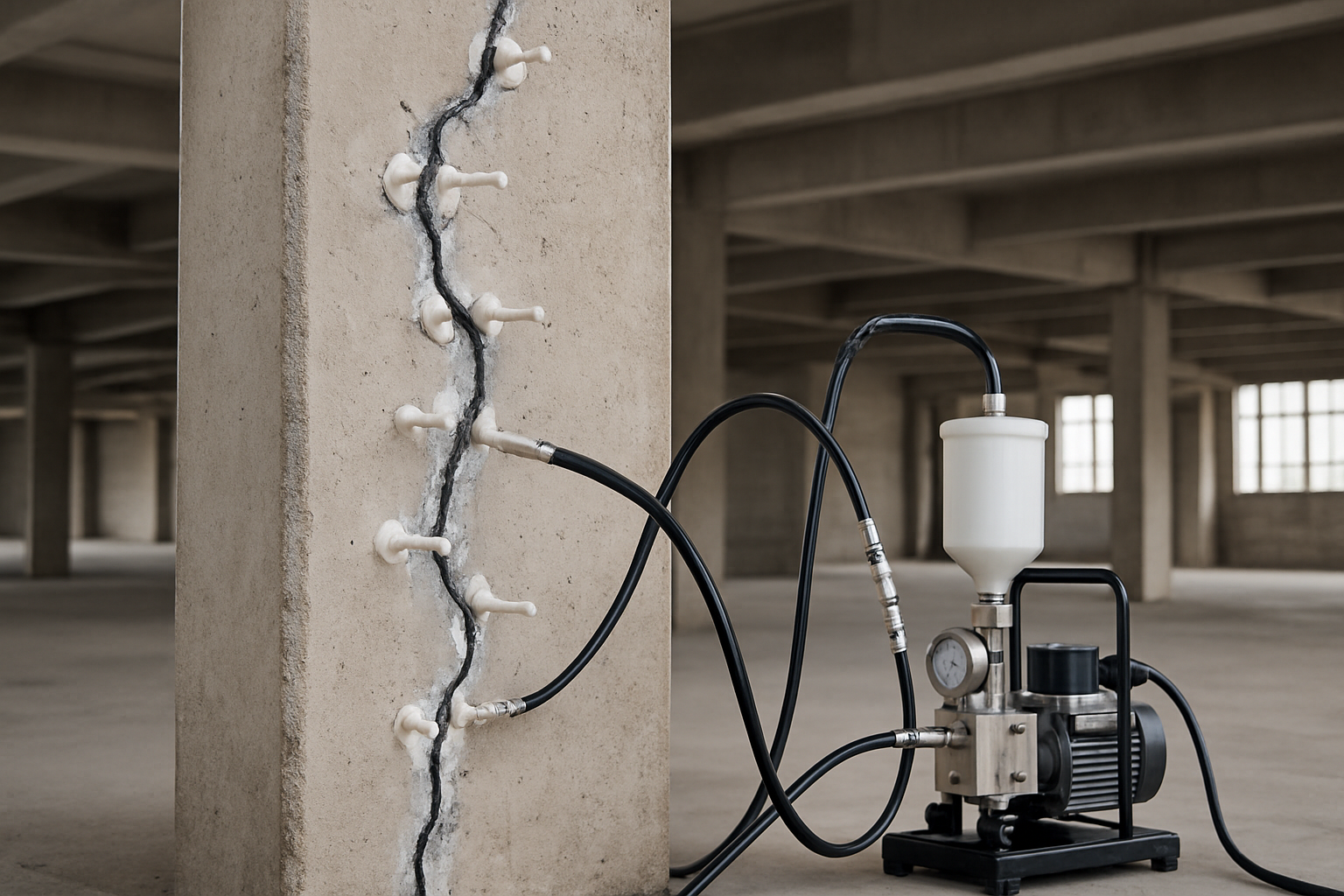
Concrete Crack Repair: Epoxy Injection Guide
Crack injection epoxy guide — pressure injection vs gravity feed, resin viscosity selection (100–3,000 mPa·s), port spacing, material cost per linear meter. Best concrete repair products for structural cracks. ACI/ASTM compliant. 20+ year manufacturer. Factory direct.
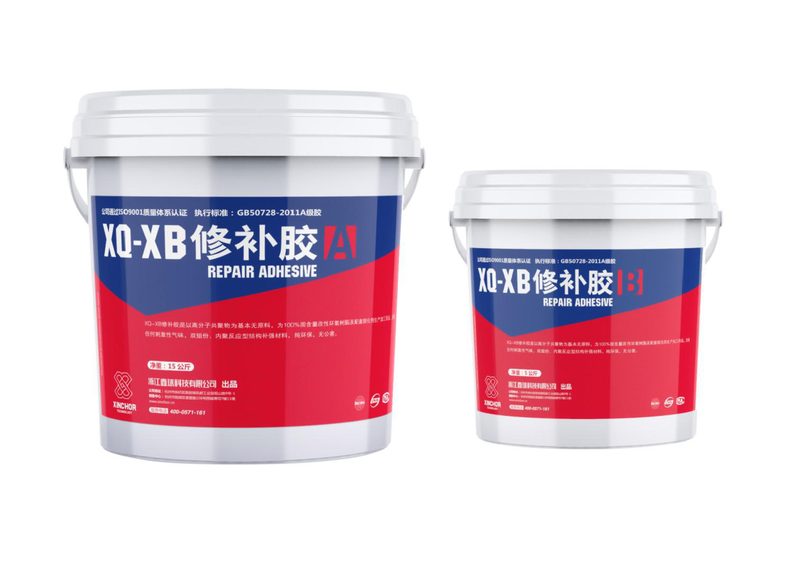
Concrete Repair Mortar Guide: 4 Types, 30-75 MPa
Epoxy (75 MPa), polymer-modified, rapid-set, and high-strength cement repair mortars: strength data, cure times, application thickness. Bridge, tunnel, floor repair. FOB Ningbo, MOQ 50 kg →
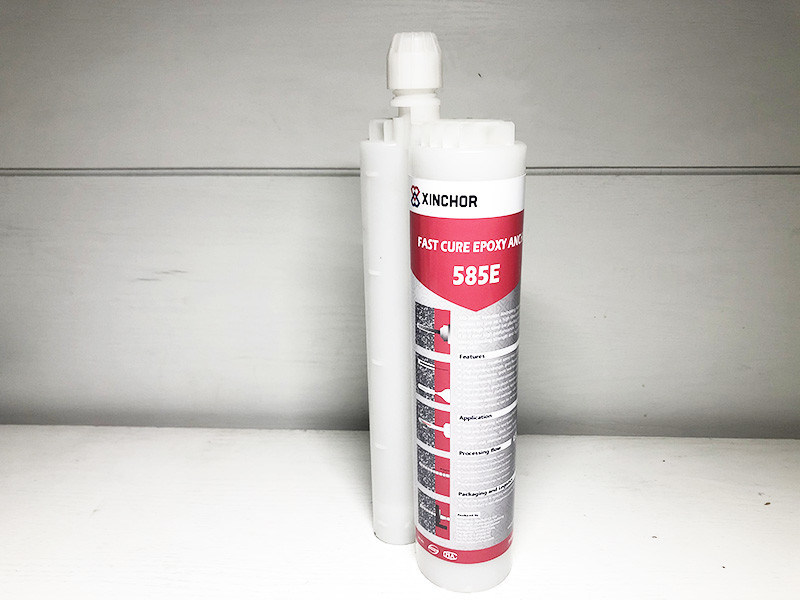
Anchor Bolts: Complete Guide to Types, Sizes & Applications
A comprehensive guide to anchor bolt types, sizes, and applications from a chemical anchor manufacturer. Covers wedge anchors, sleeve anchors, drop-in anchors, expansion anchors, and chemical anchoring systems with load data, sizing tables, and selection criteria for concrete fastening projects.
Threaded Rod Anchor: Installation Guide, Sizing & Load Data
Complete guide to threaded rod anchoring in concrete using chemical anchor adhesives. Covers rod sizing, drill hole specifications, step-by-step installation, load capacity tables, and troubleshooting — from a manufacturer with 30+ years of anchoring system experience.
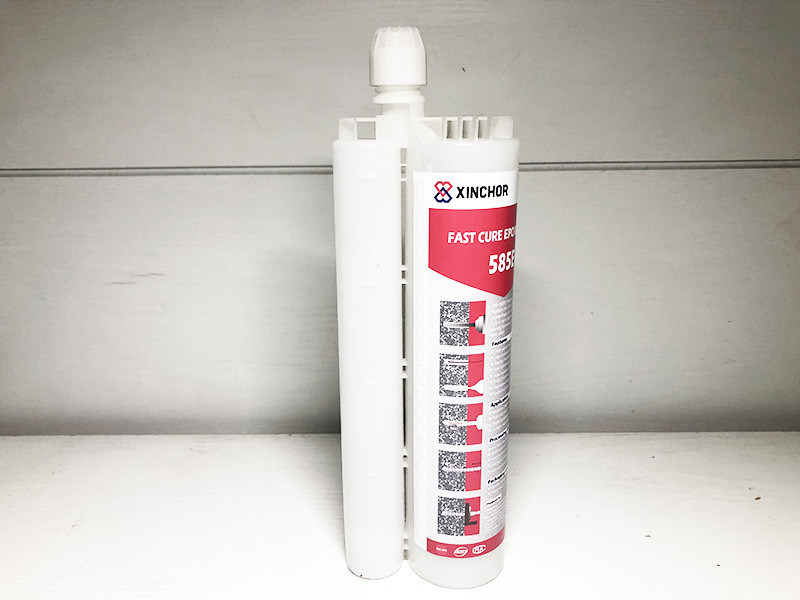
Stainless Steel Anchor Bolts: Grades & Selection
A detailed guide to stainless steel anchor bolts covering grades (304 vs 316 vs duplex), corrosion resistance data, mechanical properties, and selection criteria for marine, coastal, chemical, and food-processing environments. Includes comparison tables and cost analysis.
Expansion Anchors: Types, Working Principles & Selection Guide
A comprehensive guide to expansion anchors for concrete covering torque-controlled and deformation-controlled types, working principles, load capacity data, and selection criteria. Includes comparison with chemical anchors and guidance on when expansion anchors are — and are not — the right choice.
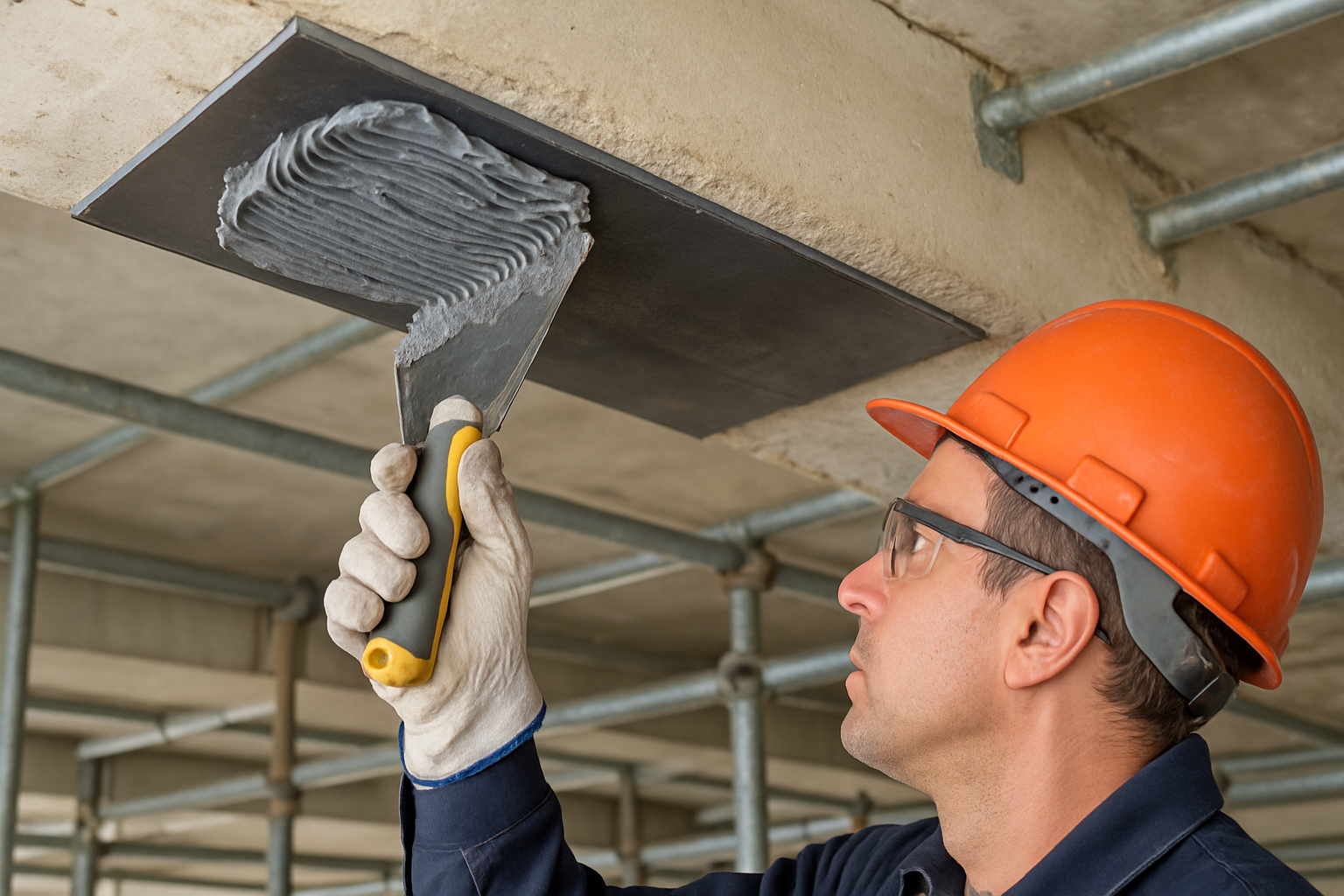
Heavy Duty Construction Adhesive: Types & Uses
A manufacturer's deep dive into heavy duty construction adhesives — comparing epoxy, polyurethane, and hybrid formulations with real strength data, application scenarios, and selection criteria for structural bonding projects.
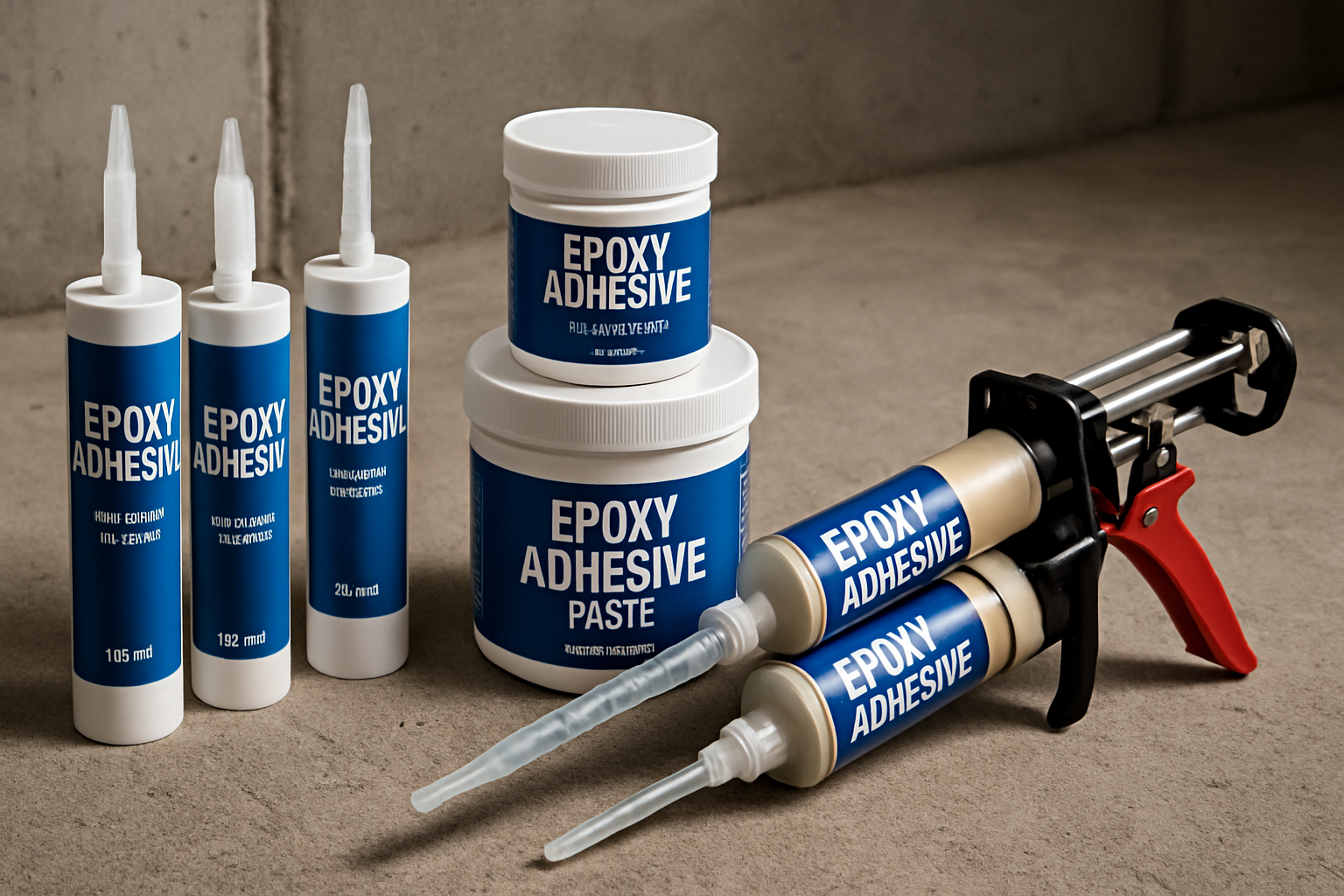
Wall Tile Adhesive: Types & Application Methods
Complete manufacturer's guide to wall tile adhesive — covering C1/C2 classification, S1/S2 deformability, thin-bed vs. thick-bed methods, indoor vs. outdoor selection, and technical data tables from 26 years of adhesive formulation experience.
Epoxy Anchor Load Chart: M8-M30 Tensile & Shear [2026]
Epoxy anchor load capacity chart: M8–M30 tensile & shear design values at multiple embedment depths, cracked vs uncracked concrete data. Safety factors & installation parameters. From a manufacturer with 26 patents. Free chart download →
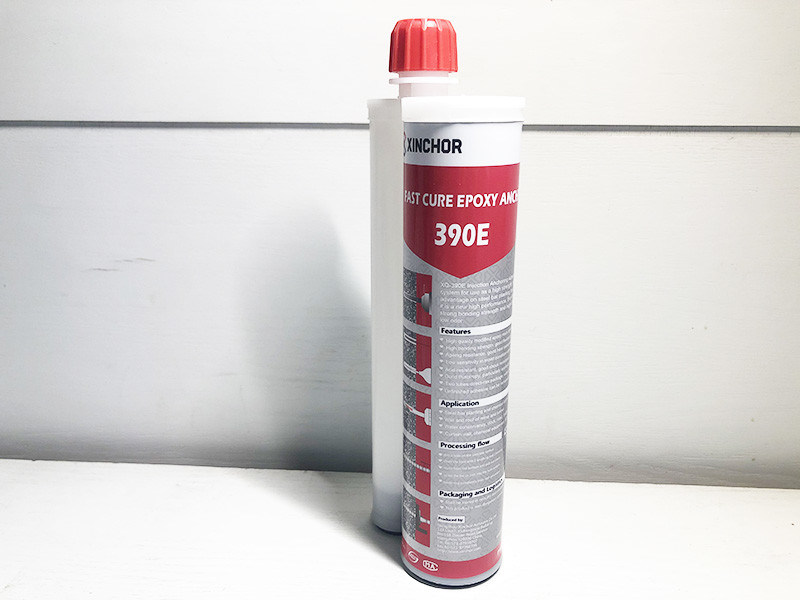
Drop-In Anchor: Installation Guide, Sizing Chart & Load Ratings
Complete guide to drop-in anchors — covering installation steps, sizing charts for M6 through M20, load ratings in various concrete grades, and a detailed comparison with expansion anchors and chemical anchors.
Concrete Bonding Agent: Epoxy vs Acrylic vs SBR [2026]
Epoxy (4.0 MPa) vs acrylic (2.5 MPa) vs SBR latex concrete bonding agents: bond strength data, cost per m², application guide for new-to-old overlays. Selection chart by substrate. Factory direct, MOQ 50 kg →
Undercut Anchors: How They Work, Load Ratings & When to Use Them
A manufacturer's deep-dive into undercut anchors — the highest-capacity post-installed anchoring system for heavy loads. Covers working principles, load ratings vs wedge anchors, nuclear and bridge applications, and selection criteria.
Galvanized Anchor Bolts: Hot-Dip vs Electro Specs
A complete technical guide to galvanized anchor bolts — comparing hot-dip galvanizing vs electro-galvanizing, coating thickness standards, corrosion resistance data, and selection criteria for outdoor, marine, and industrial environments.
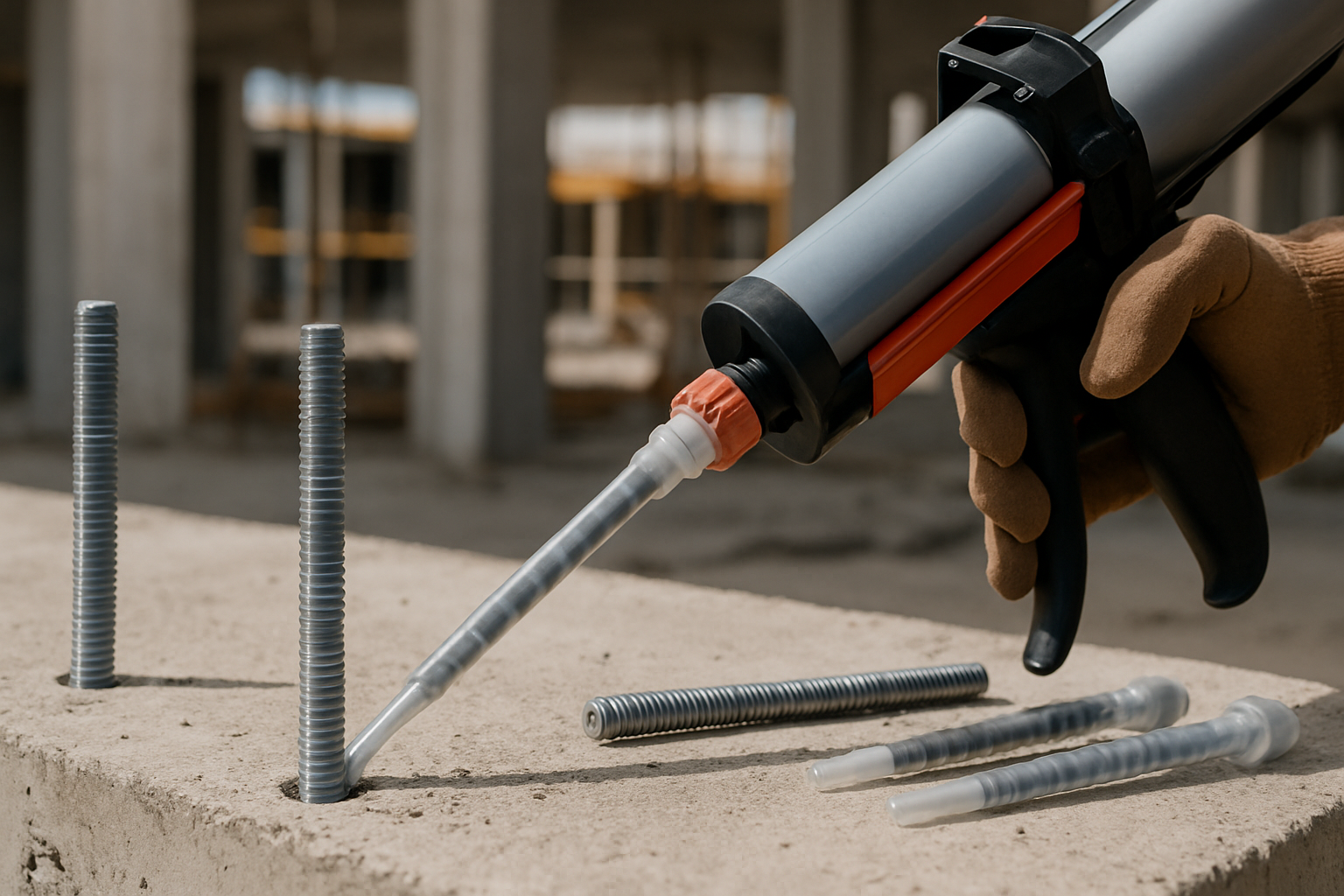
Chemical Anchor Installation: Step-by-Step + Cure Chart
A detailed step-by-step installation guide for chemical anchor adhesives — from hole drilling and cleaning to injection, rebar insertion, and curing. Includes temperature-dependent cure time charts and common failure causes from a manufacturer's field experience.
Vinyl Ester vs Epoxy Chemical Anchor
An honest, data-driven comparison of vinyl ester and epoxy chemical anchor adhesives from a manufacturer that produces both. Covers bond strength, cure time, wet-hole performance, cost analysis, and selection criteria for real-world applications.
Anchor Bolt Embedment Depth: ACI 318 Calculator
ACI 318 Chapter 17 and EN 1992-4 embedment depth tables for M12–M48 anchor bolts. Cast-in and post-installed design data. High-strength concrete corrections. Epoxy anchor manufacturer →

Carbon Fiber Fabric: 200g vs 300g vs 600g/m² Guide
Selecting the right carbon fiber fabric areal weight (200g, 300g, or 600g per square meter) affects strengthening efficiency, installation labor, and project cost. This guide covers the engineering behind each weight class with real-world application data.
Concrete Crack Injection: Methods & Materials [2026]
A manufacturer's complete guide to concrete crack injection covering epoxy injection, polyurethane injection, and microfine cement grout injection. Includes viscosity selection charts, injection pressure data, crack width guidelines per ACI 224R, and step-by-step installation procedures.
Epoxy vs Polyurethane Injection for Cracks
Choosing between epoxy and polyurethane injection for concrete cracks depends on whether the repair goal is structural restoration or waterproofing. This manufacturer's comparison covers bond strength, flexibility, water tolerance, cure time, cost, and application scenarios with data from real projects.
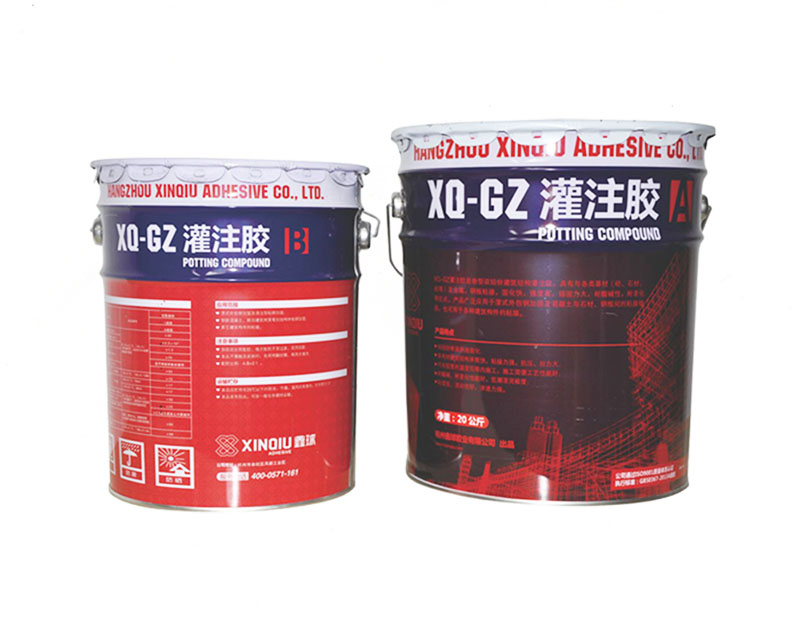
Structural Adhesive for Concrete: Bonding & Repair 2026
A manufacturer's guide to structural adhesive for concrete covering epoxy bonding agents, CFRP installation adhesives, steel plate bonding, crack repair, and anchor adhesive systems. Includes bond strength data per EN 1504-4 and ASTM C881, surface preparation requirements, and application-specific product recommendations.
390ml Anchor Adhesive: Fast-Cure Cartridge Guide
Guide to anchor adhesive for structural strengthening from XINCHOR manufacturer.
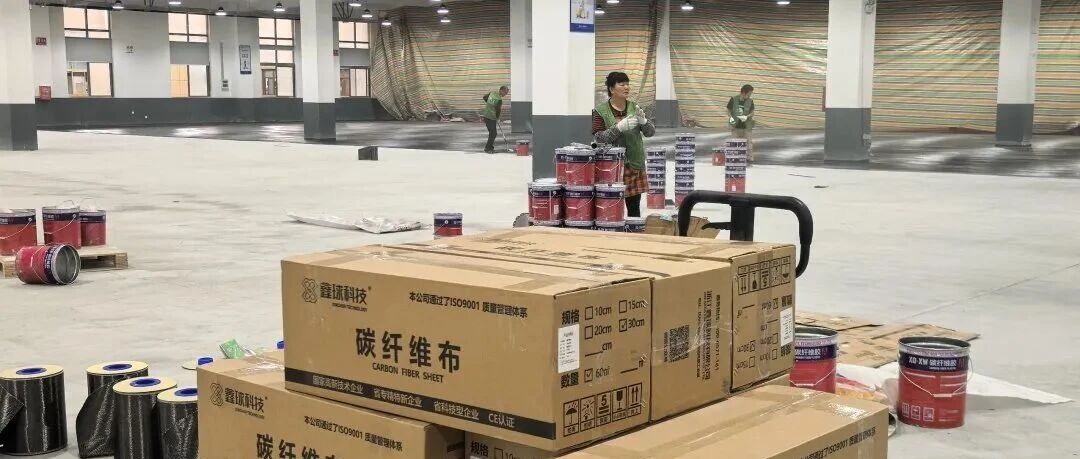
Carbon Fiber Factory Floor Slab Reinforcement
Case study: Large-scale carbon fiber fabric reinforcement of factory floor slabs in Ningbo. How CFRP strengthening solved load capacity concerns in an industrial plant without reducing floor-to-ceiling height.
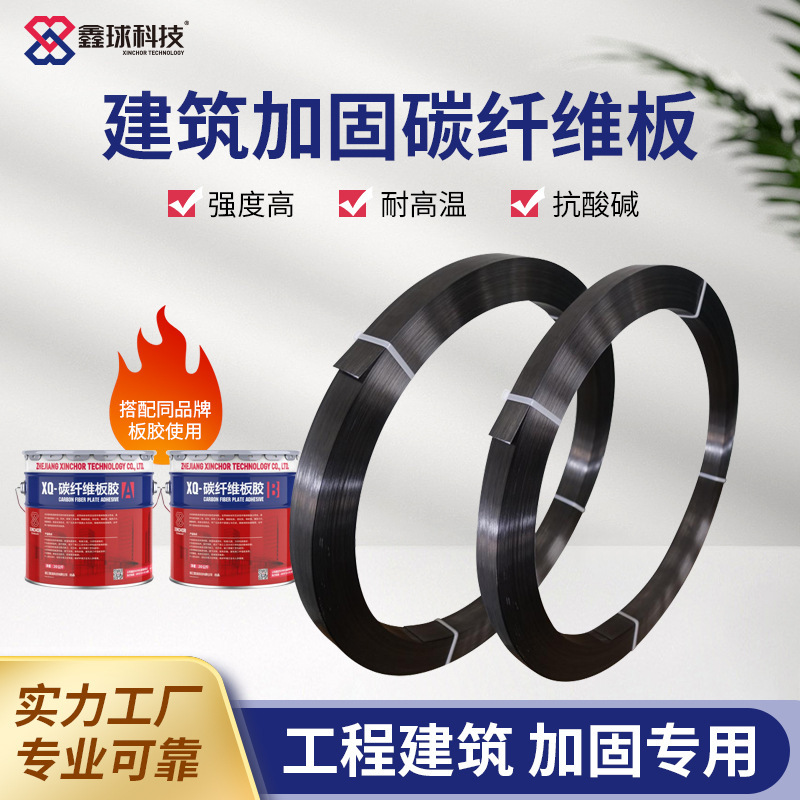
CFRP Plate vs Laminate: 1.2mm vs 1.4mm
Comparing 1.2mm CFRP pultruded plates and 1.4mm carbon fiber laminates for structural strengthening. Covers tensile capacity, stiffness, installation methods, and when to use each thickness in bridge, building, and industrial applications.
300g vs 600g Carbon Fiber Fabric: Weight Selection Guide
Guide to carbon fiber fabric for structural strengthening from XINCHOR manufacturer.
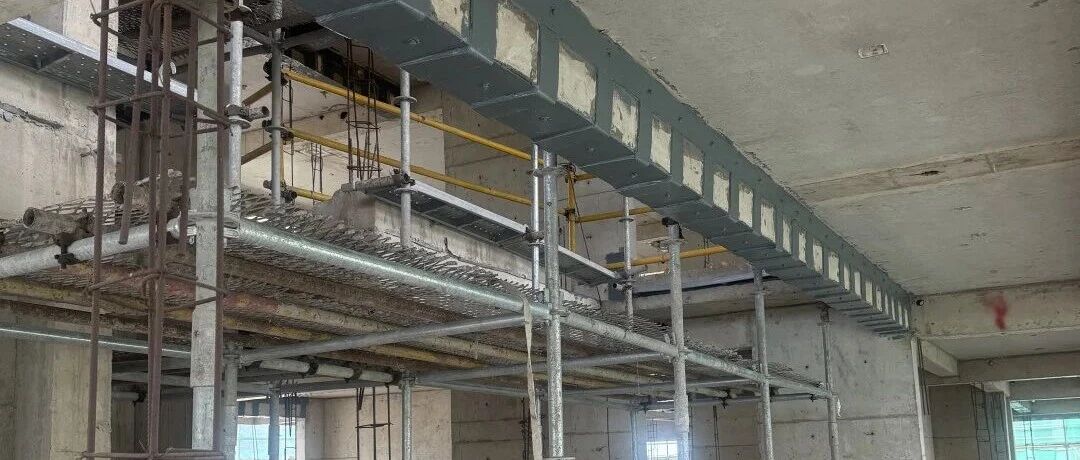
Public Housing: Steel Plate + CFRP Reinforcement
Case study from Fuyang, Hangzhou: How steel plate bonding and carbon fiber fabric reinforcement strengthened beams and slabs in a public rental housing development. Dual-method approach for different structural members.
1.2mm vs 1.4mm Carbon Fiber Plate: Thickness Guide
Guide to carbon fiber plate for structural strengthening from XINCHOR manufacturer.
Epoxy Anchor vs Chemical Anchor: Key Differences
Guide to epoxy anchor for structural strengthening from XINCHOR manufacturer.
How to Install Epoxy Anchor in Concrete
Guide to epoxy anchor for structural strengthening from XINCHOR manufacturer.
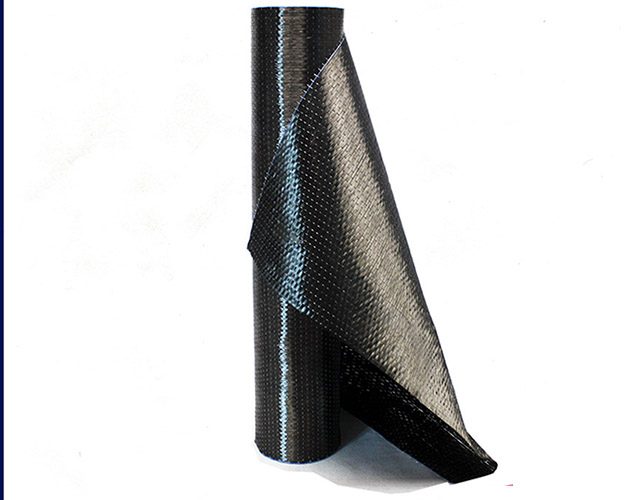
Carbon Fiber Fabric for Column Wrapping Guide
Guide to carbon fiber fabric for structural strengthening from XINCHOR manufacturer.
Chemical Anchor Load Capacity: Pull-Out Strength Data
Guide to chemical anchor for structural strengthening from XINCHOR manufacturer.
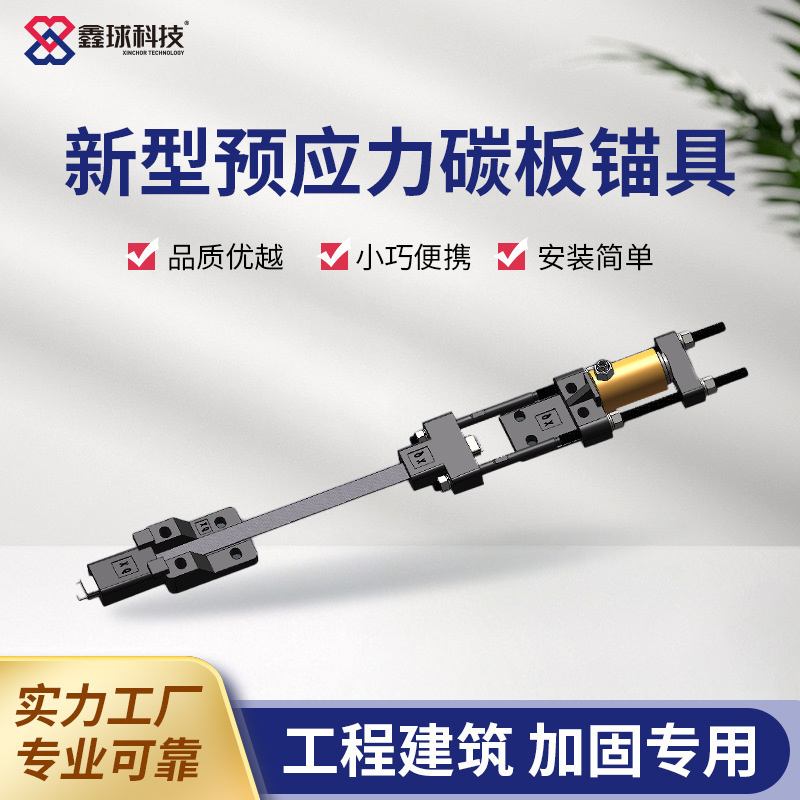
Carbon Fiber Plate vs Steel Plate: Comparison
Guide to carbon fiber plate for structural strengthening from XINCHOR manufacturer.
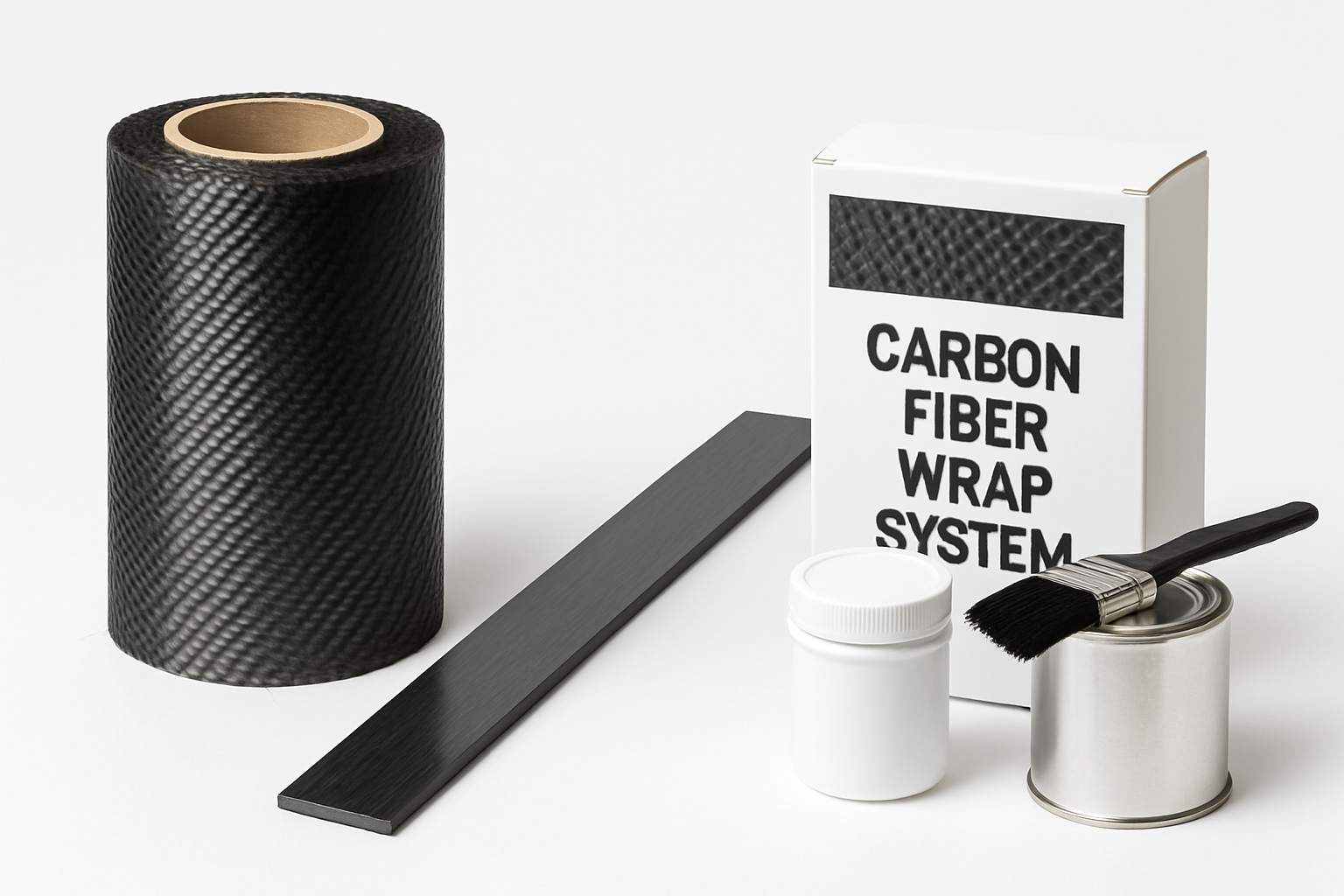
Top 10 Carbon Fiber Manufacturers China [2026]
A verified 2026 list of the top 10 carbon fiber product manufacturers in China, covering CFRP tubes, plates, sheets, CNC parts, drone frames, and automotive components. Includes factory capabilities, certifications, and product specializations to help you source with confidence.
Carbon Fiber vs Glass Fiber Reinforcement
Technical comparison of CFRP and GFRP reinforcement systems — tensile strength, modulus, cost, corrosion resistance, and application guidelines for structural strengthening.
Structural Adhesive Temperature Resistance Data
How temperature affects structural adhesive performance — glass transition temperature, high-heat ratings, cold-weather curing, and selecting the right epoxy for extreme environments.
Parking Structure Repair & Carbon Fiber Strengthening Guide
How to repair and strengthen parking garages — addressing corrosion-damaged beams, spalling decks, overloaded columns, and deteriorated joints with CFRP, epoxy injection, and polymer mortar.
FRP Rebar vs Steel Rebar: Properties, Cost & When to Use Each
Comprehensive comparison of FRP (fiberglass/carbon) rebar vs traditional steel rebar — tensile strength, corrosion resistance, cost, bond behavior, and applications where FRP rebar excels.
CFRP Carbon Fiber Bridge Strengthening [2026]
A comprehensive guide to carbon fiber bridge strengthening from a manufacturer with 30+ years of CFRP production experience. Covers material selection, tensile strength data, installation methods, and real-world project considerations.
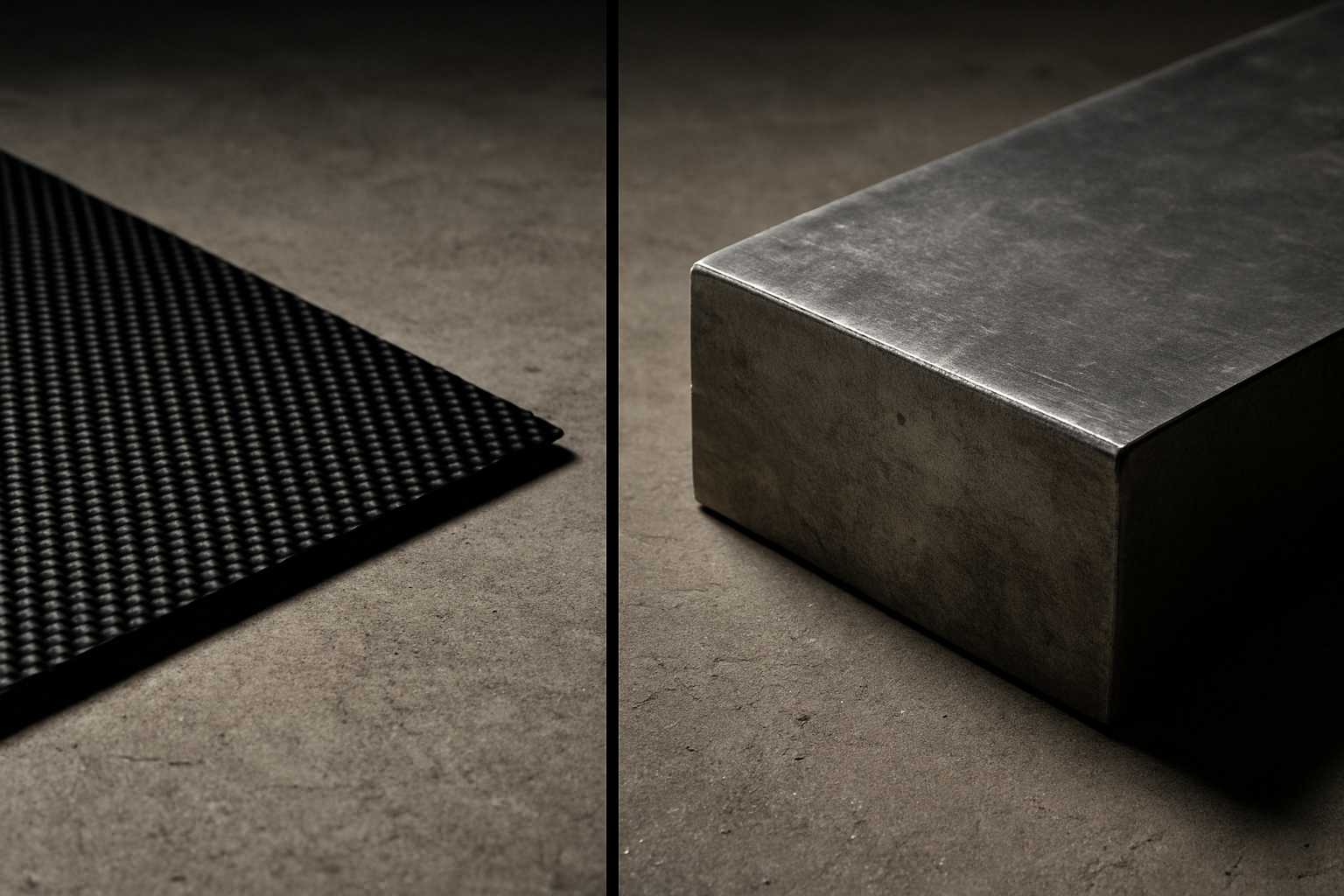
Is Carbon Fiber Stronger Than Steel? Data [2026]
Carbon fiber vs steel: tensile strength, elastic modulus, weight, corrosion resistance, and cost compared with real manufacturing data from 30+ years of CFRP production.
Carbon Fiber Sheets vs Plates vs Wraps: CFRP Guide
Comparing carbon fiber sheets, pultruded plates, and wrap systems for structural strengthening. Selection criteria, technical specifications, and real application examples from a CFRP manufacturer.
Chemical Anchor Systems: Types & Installation
Everything you need to know about chemical anchor systems: epoxy vs vinyl ester vs hybrid formulations, hole preparation, cure times, and load testing. From a manufacturer with 26 patents in structural adhesives.
Anchor Adhesive vs Mechanical Anchors: Rebar Guide
A detailed technical comparison of chemical anchor adhesives and mechanical expansion anchors for rebar planting. Covers bond strength, seismic performance, cost analysis, and selection criteria from a manufacturer's perspective.
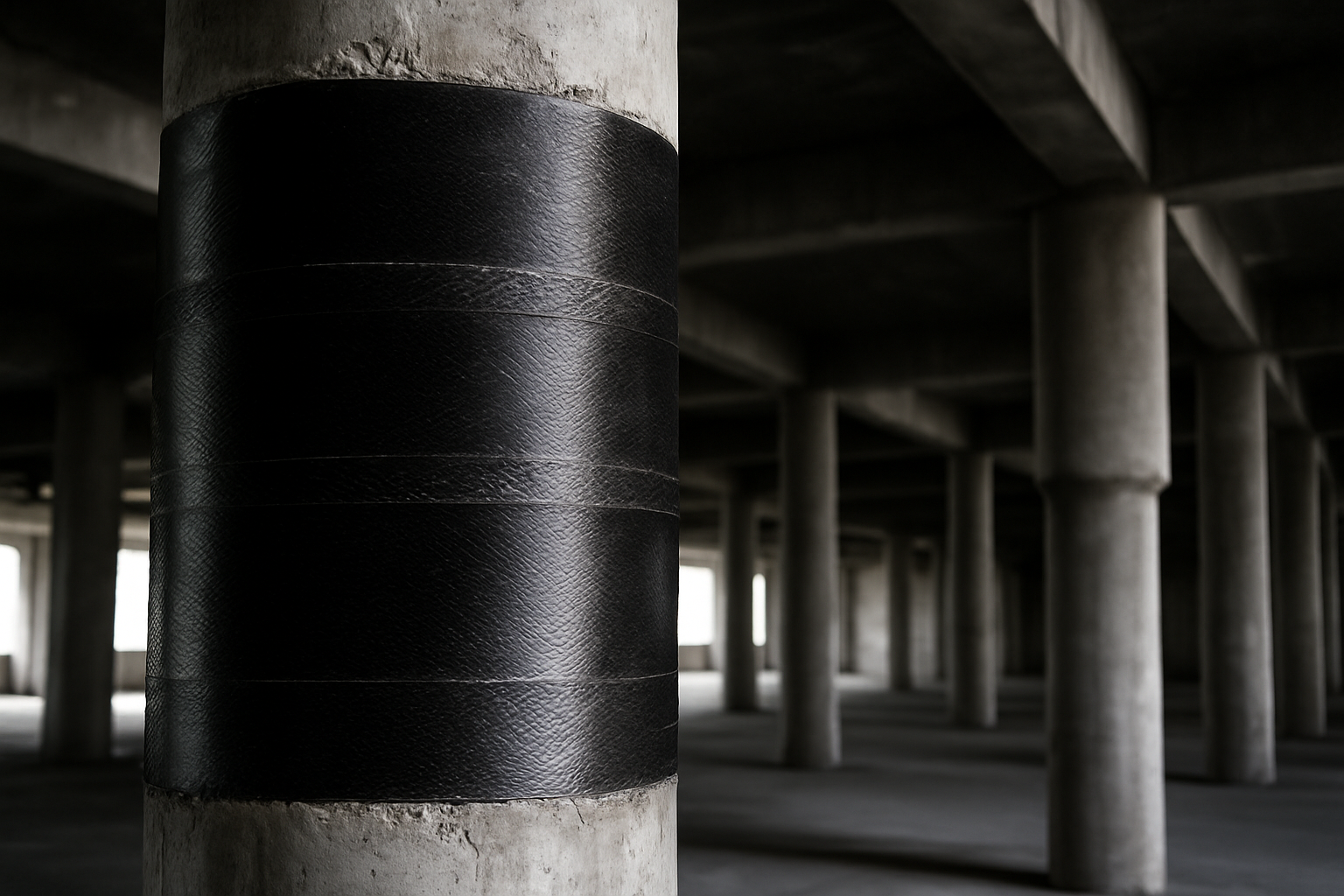
Seismic Retrofit: Carbon Fiber Methods [2026]
How carbon fiber CFRP systems are used for seismic retrofit of concrete columns, beams, and walls. Covers confinement design, ductility improvement, and material selection for earthquake strengthening.
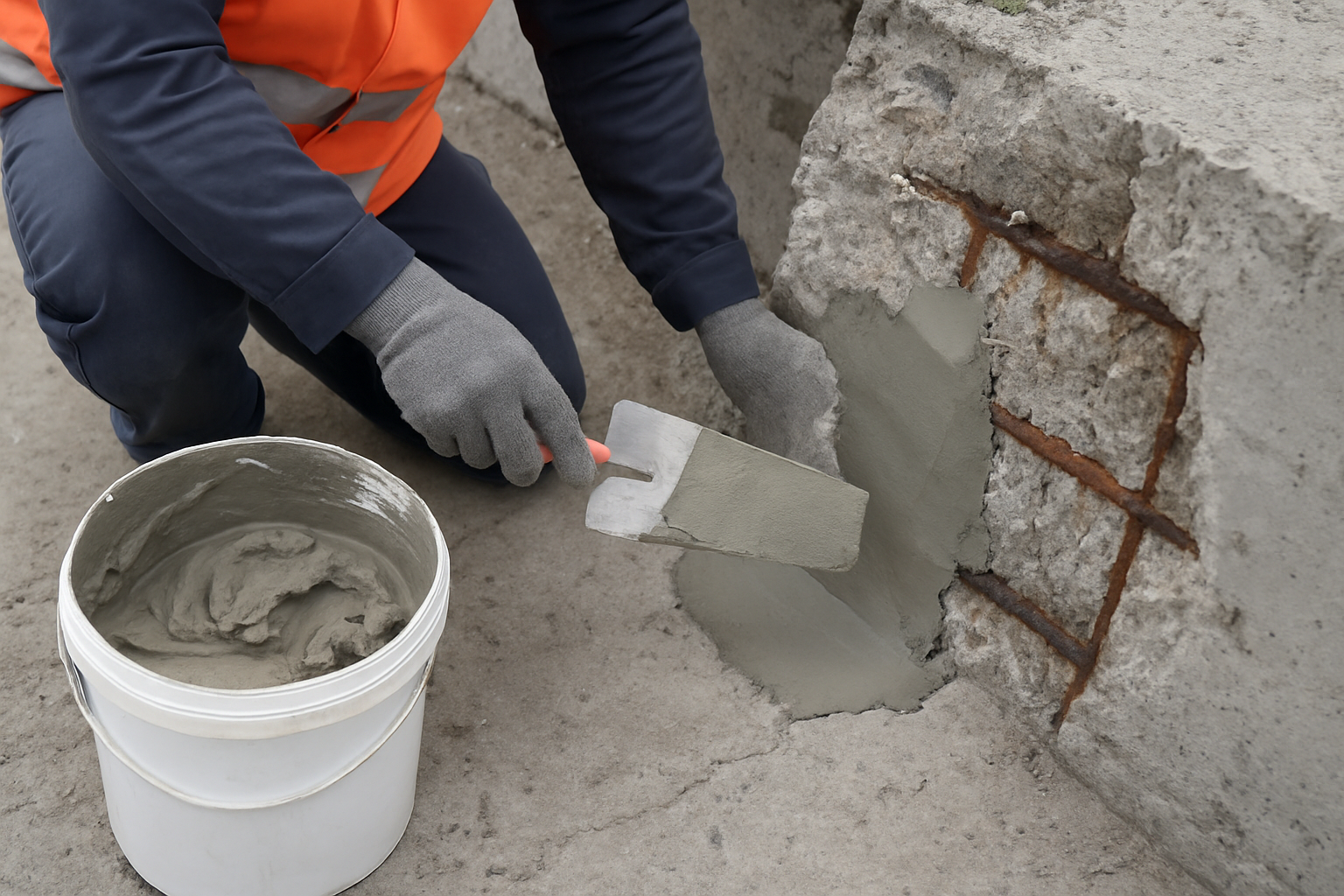
High Strength Concrete Repair Mortar: Types & Selection
Complete guide to concrete repair mortars: epoxy vs polymer-modified vs cementitious options, compressive strength data, application methods, and selecting the right mortar for your repair project.
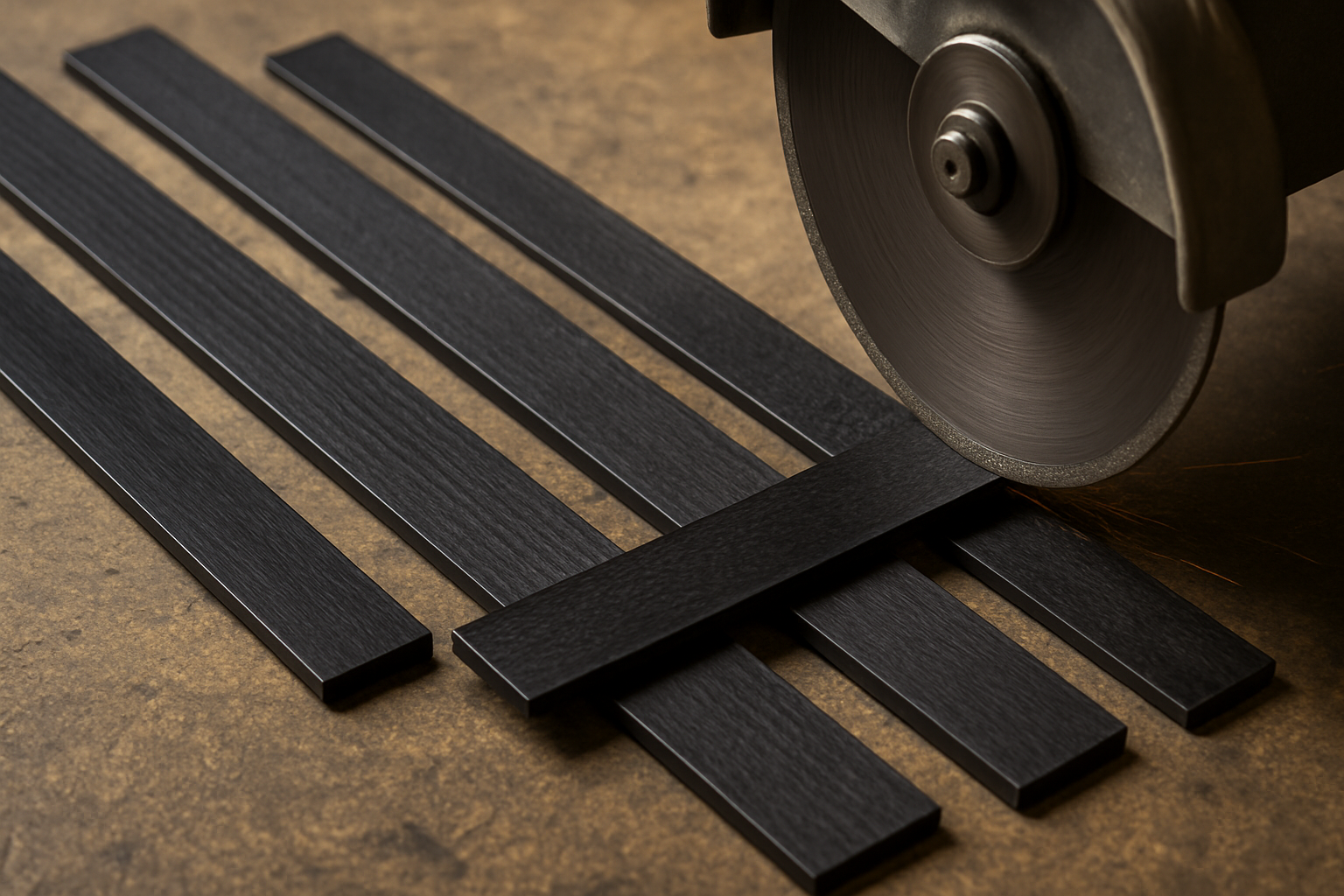
Carbon Fiber Strips & Plates: Specs & Uses
Technical guide to carbon fiber strips and pultruded CFRP plates for beam strengthening. Covers tensile strength, elastic modulus, width options, bonding adhesives, and installation methods.
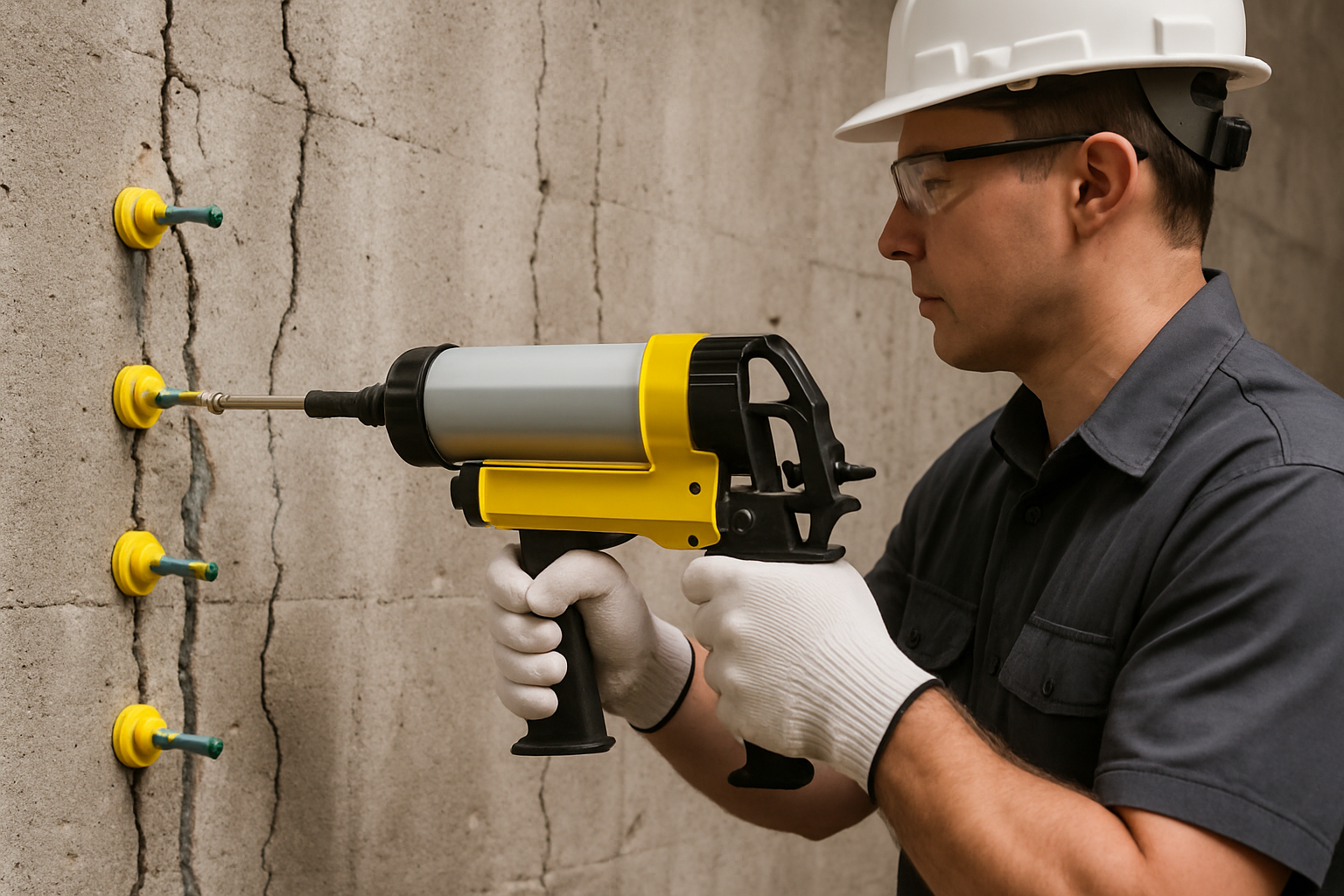
Crack Injection Resin: Low vs Medium Viscosity
Expert guide to selecting crack injection resins for concrete repair. Compares low-viscosity (100-300 mPa-s) and medium-viscosity (1,000-3,000 mPa-s) epoxy formulas with technical specifications, application methods, and project selection criteria.
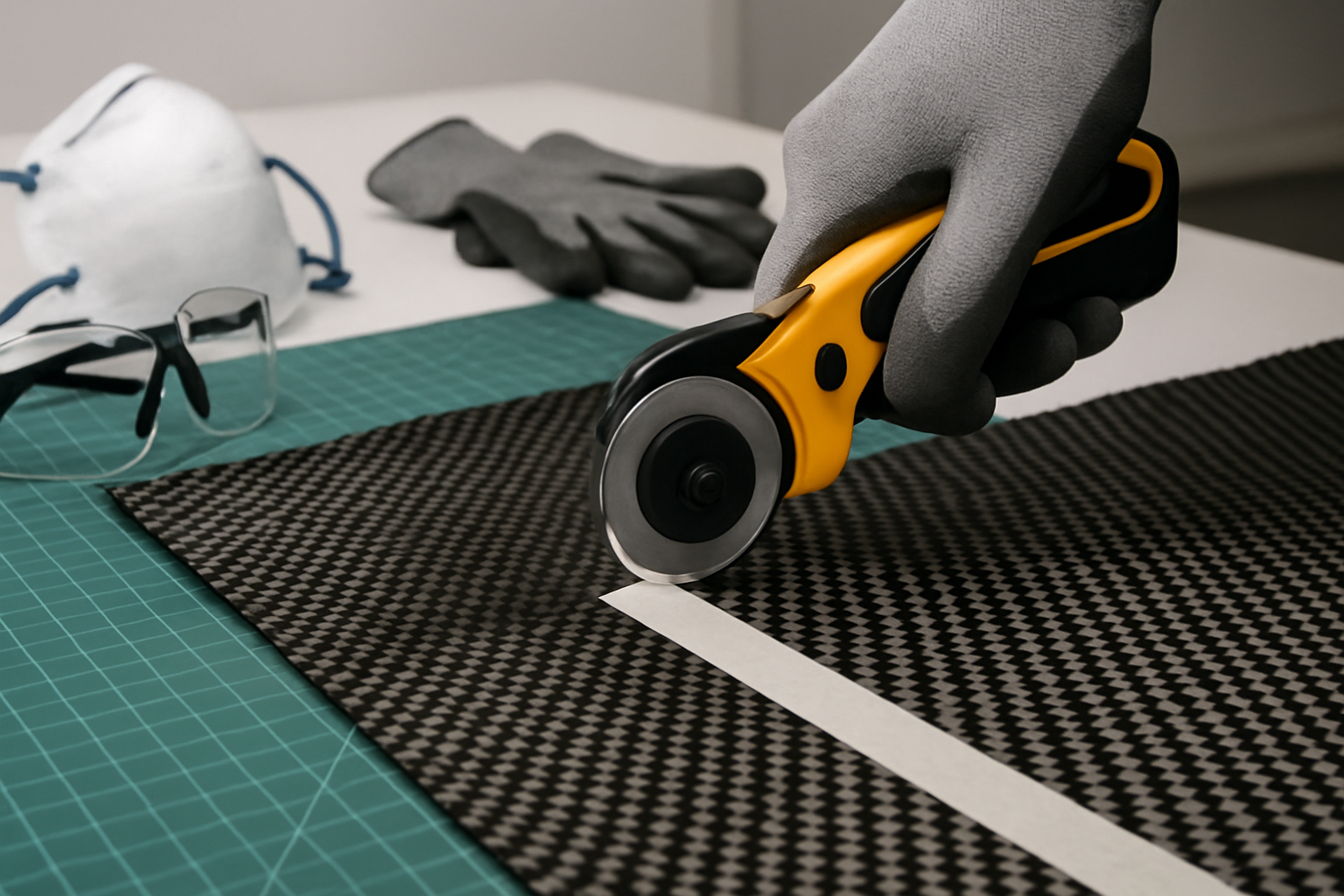
How to Cut Carbon Fiber: Tools & Safety
A manufacturer's guide to cutting carbon fiber fabric, sheets, and pultruded plates. Covers the right tools, dust protection, cutting techniques, and common mistakes to avoid.
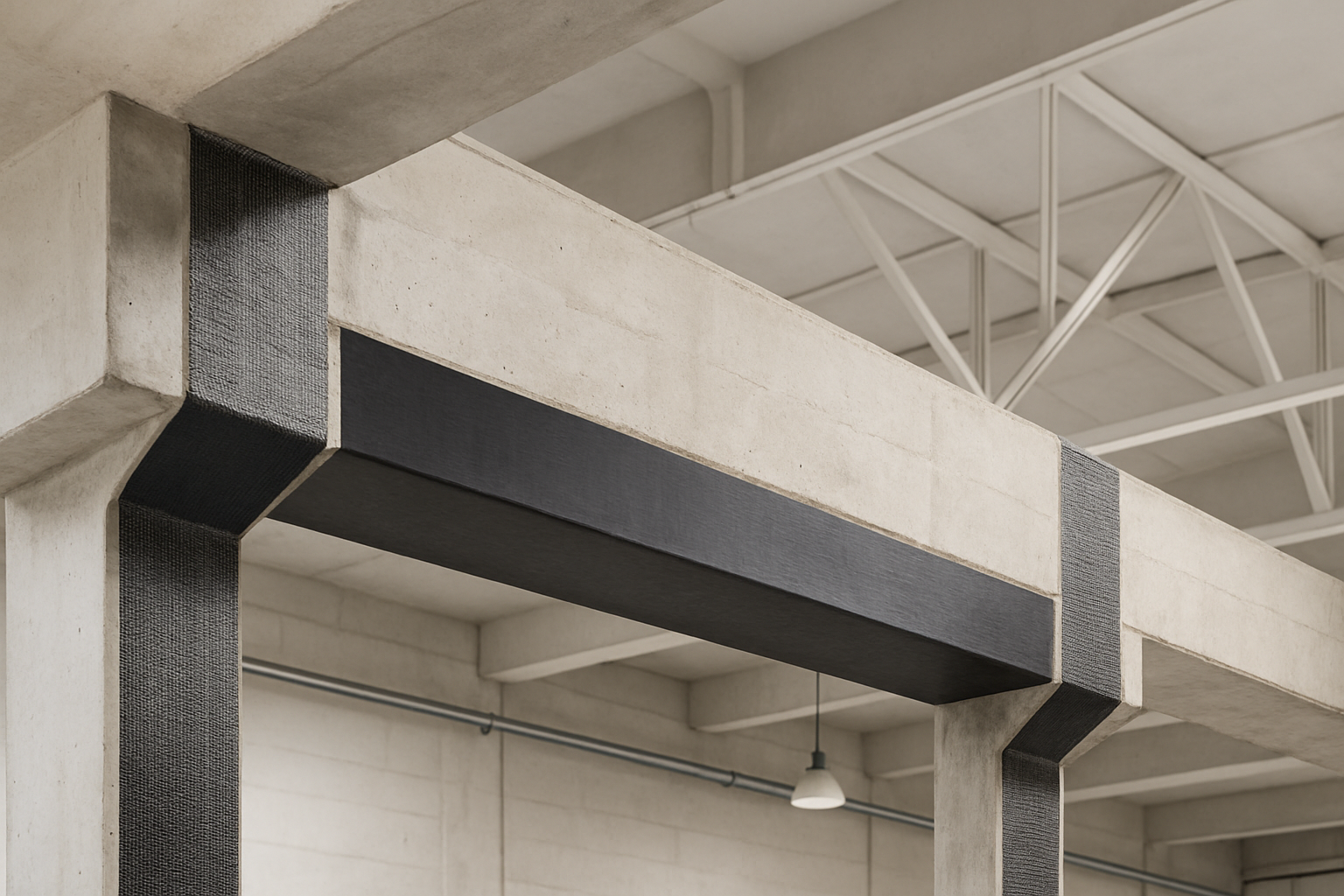
Carbon Fiber Beam Strengthening: Design Guide
How to strengthen concrete beams with carbon fiber: CFRP plate bonding vs wet lay-up, flexural vs shear strengthening, material specifications, and installation procedures from a CFRP manufacturer.

Wind Turbine Blade Repair: Carbon Fiber & Epoxy
How carbon fiber and structural epoxy are used to repair wind turbine blades: crack repair, leading edge erosion, root section strengthening, and material specifications for wind energy applications.
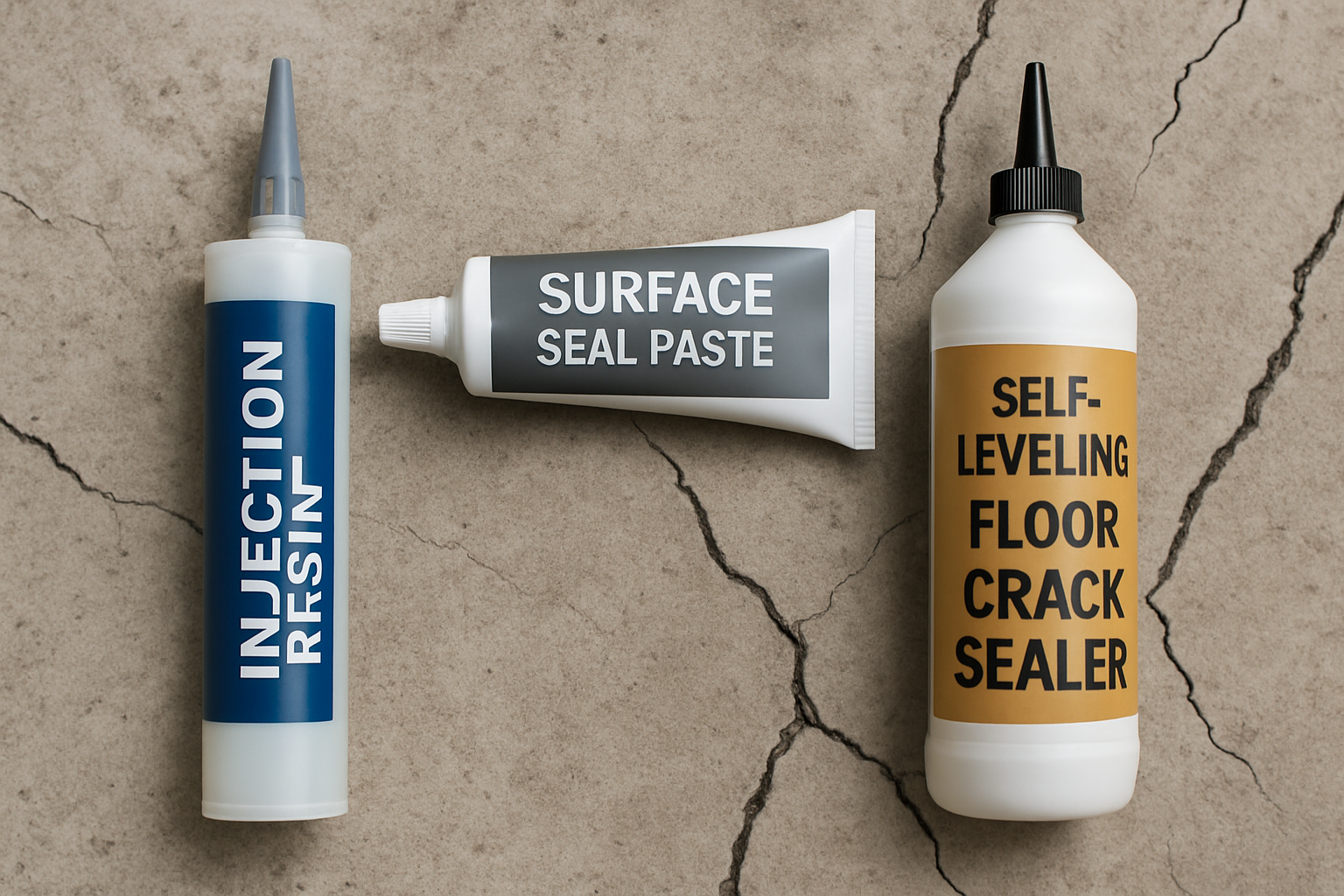
Epoxy Crack Filler: Injection vs Sealer vs Paste [2026]
Epoxy crack filler for concrete — injection resins, surface sealers & paste fillers compared. Crack width selection guide, application techniques & performance data. Best crack injection epoxy for structural repair. Manufacturer direct pricing.
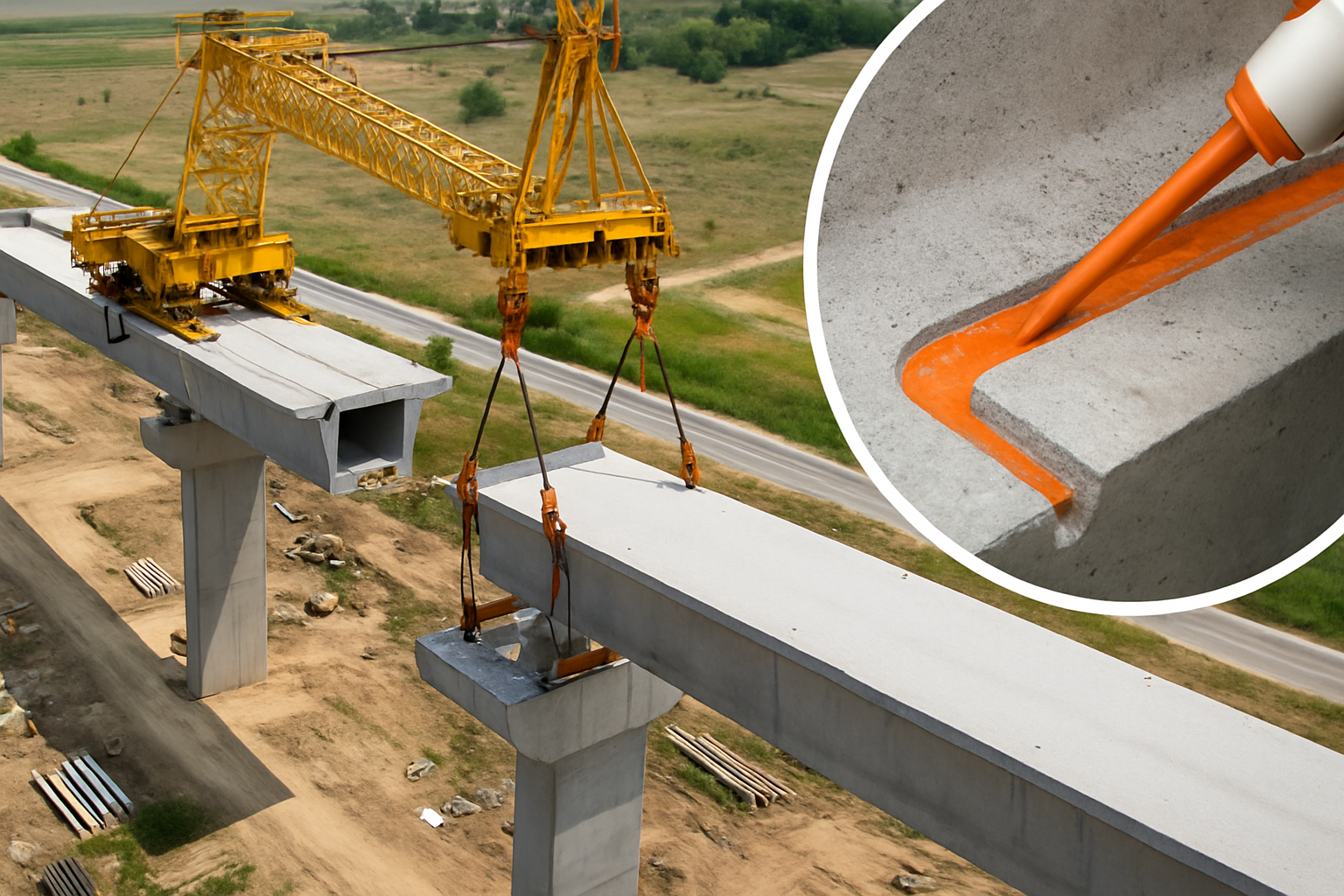
Precast Segment Splicing Adhesive: Bridge Guide
Technical guide to segment splicing adhesives for precast concrete bridge construction. Covers standard, rapid-set, low-temperature, and high-flow formulations with application guidelines.

Carbon Fiber Carbon Footprint & Sustainability
Examining the environmental footprint of carbon fiber production vs the sustainability benefits of CFRP in structural strengthening: embodied carbon, lifecycle analysis, and why repair beats demolition.
Adhesive vs Mechanical Anchor: Which Is Stronger?
Comparing adhesive (chemical) anchors with mechanical expansion anchors: tensile and shear capacity, edge distance requirements, cracked concrete performance, cost analysis, and when to use each type.
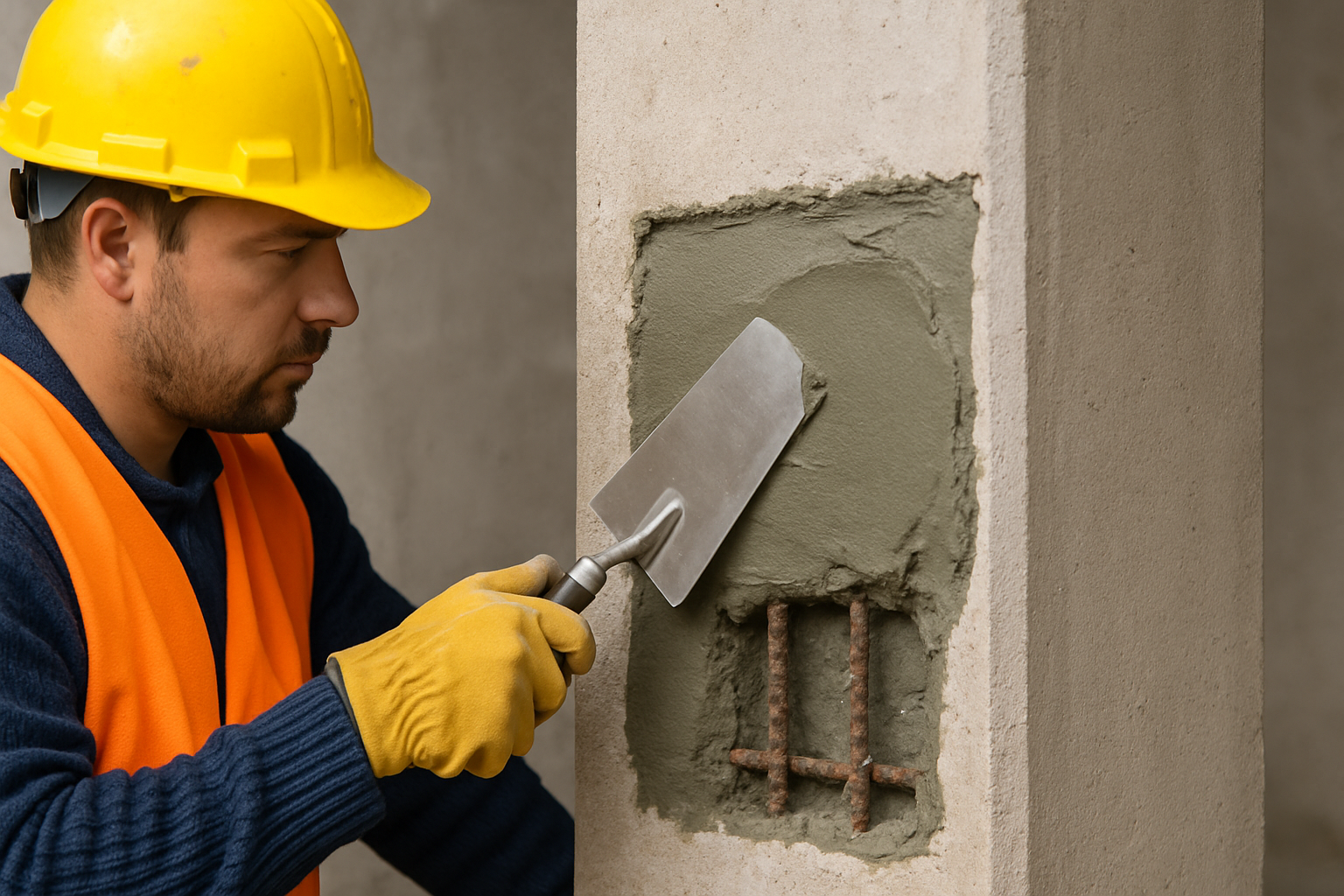
Concrete Patch Repair: Materials & Methods
Structural patch repair guide — concrete patch material selection, concrete patching materials comparison, surface preparation & curing procedures. Best concrete repair products for long-lasting structural results. Manufacturer direct.
Epoxy Adhesive for Concrete: Bonding & Repair
How epoxy adhesive is used in concrete construction: bonding new-to-old concrete, anchoring bolts and rebar, crack injection, and structural strengthening. Product selection guide from a manufacturer.
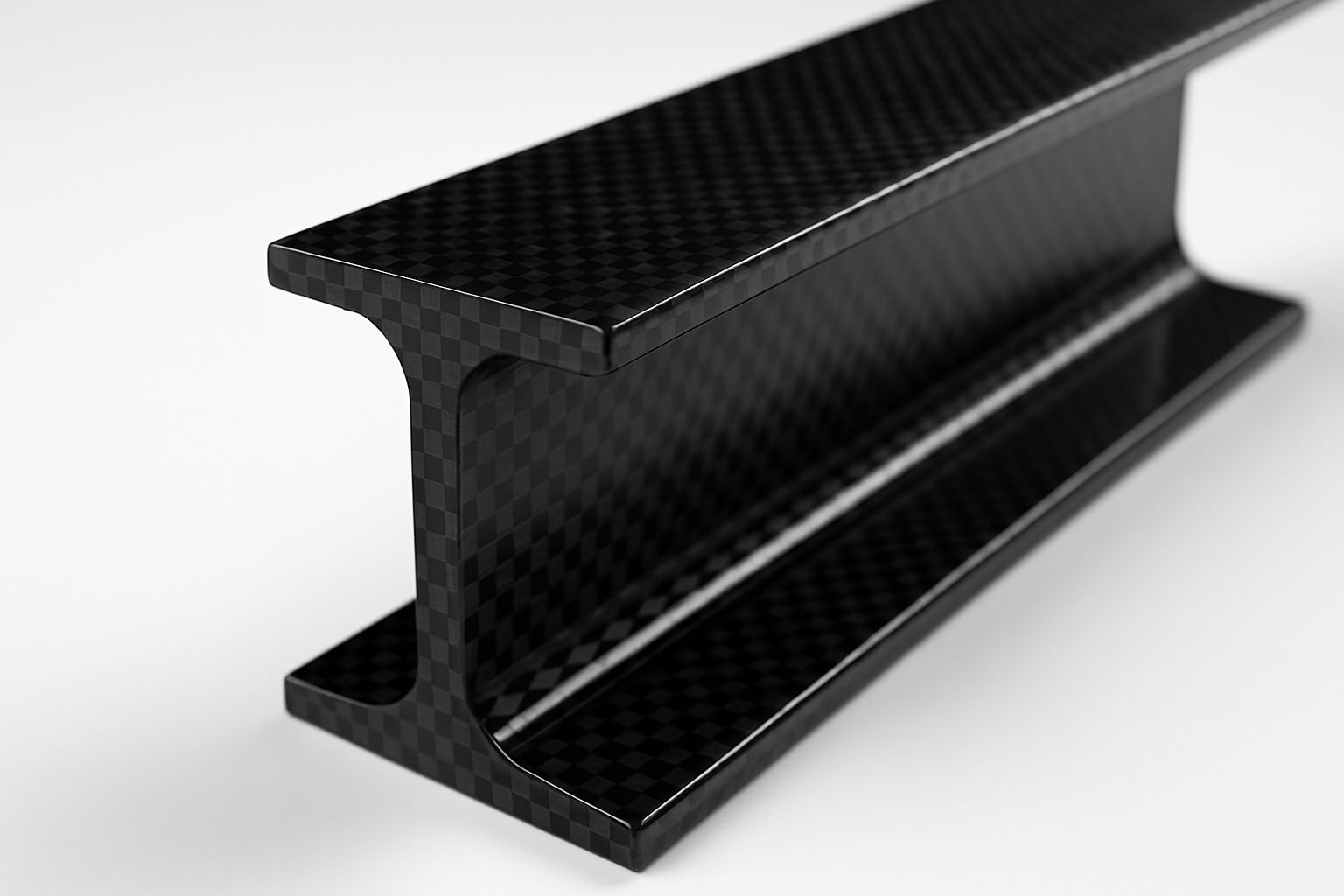
Carbon Fiber I-Beams: Properties & Uses
Technical guide to carbon fiber I-beams and CFRP beam profiles: mechanical properties, manufacturing methods, weight savings vs steel, and applications in construction and industrial structures.
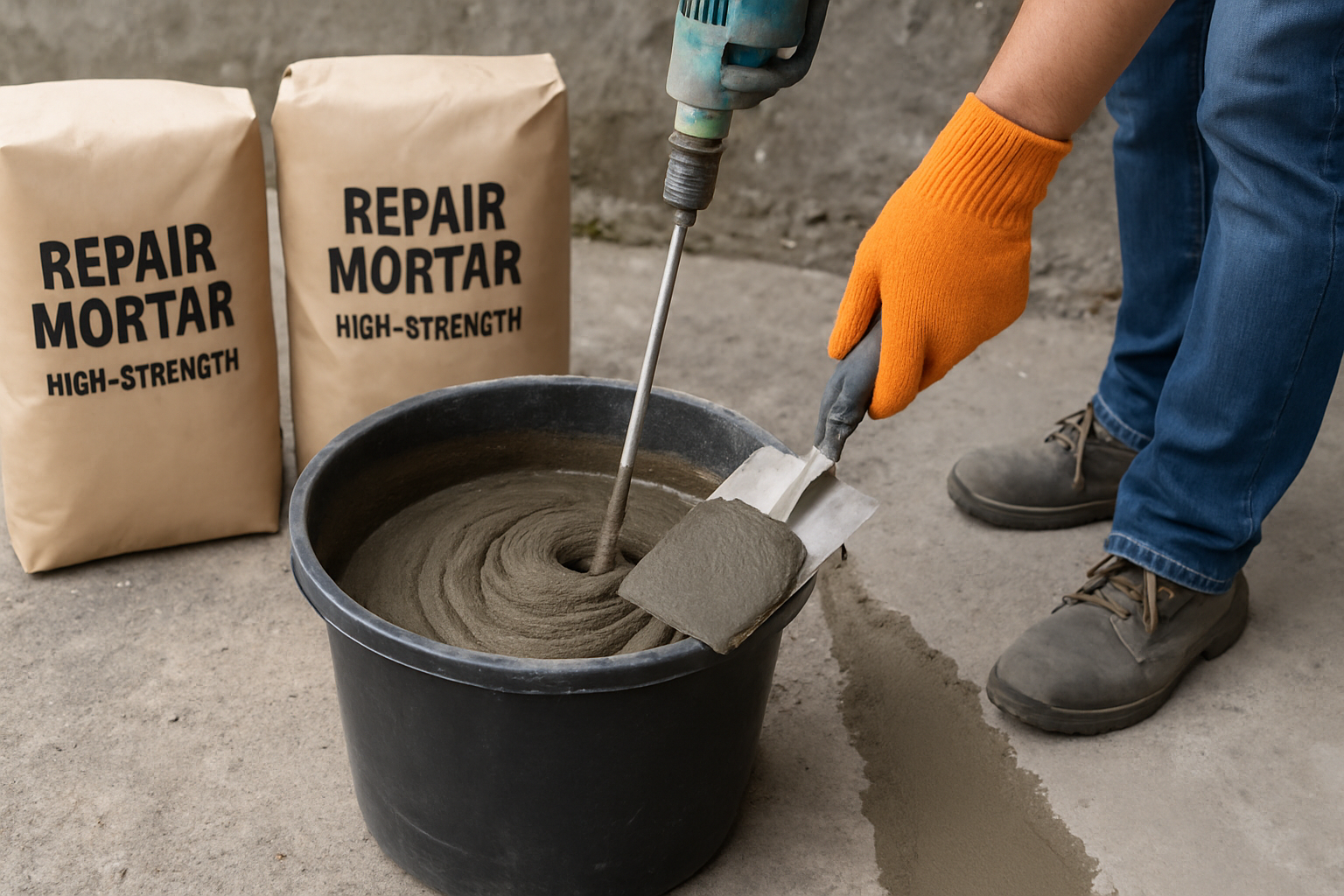
High Strength Cement Repair Mortar: 45-75 MPa [2026]
High strength cement repair mortar — 45–75 MPa compressive strength grades, polymer modification, cementitious repair mortar mixing & application. Best concrete repair products for structural patches. Manufacturer specifications & factory direct pricing.
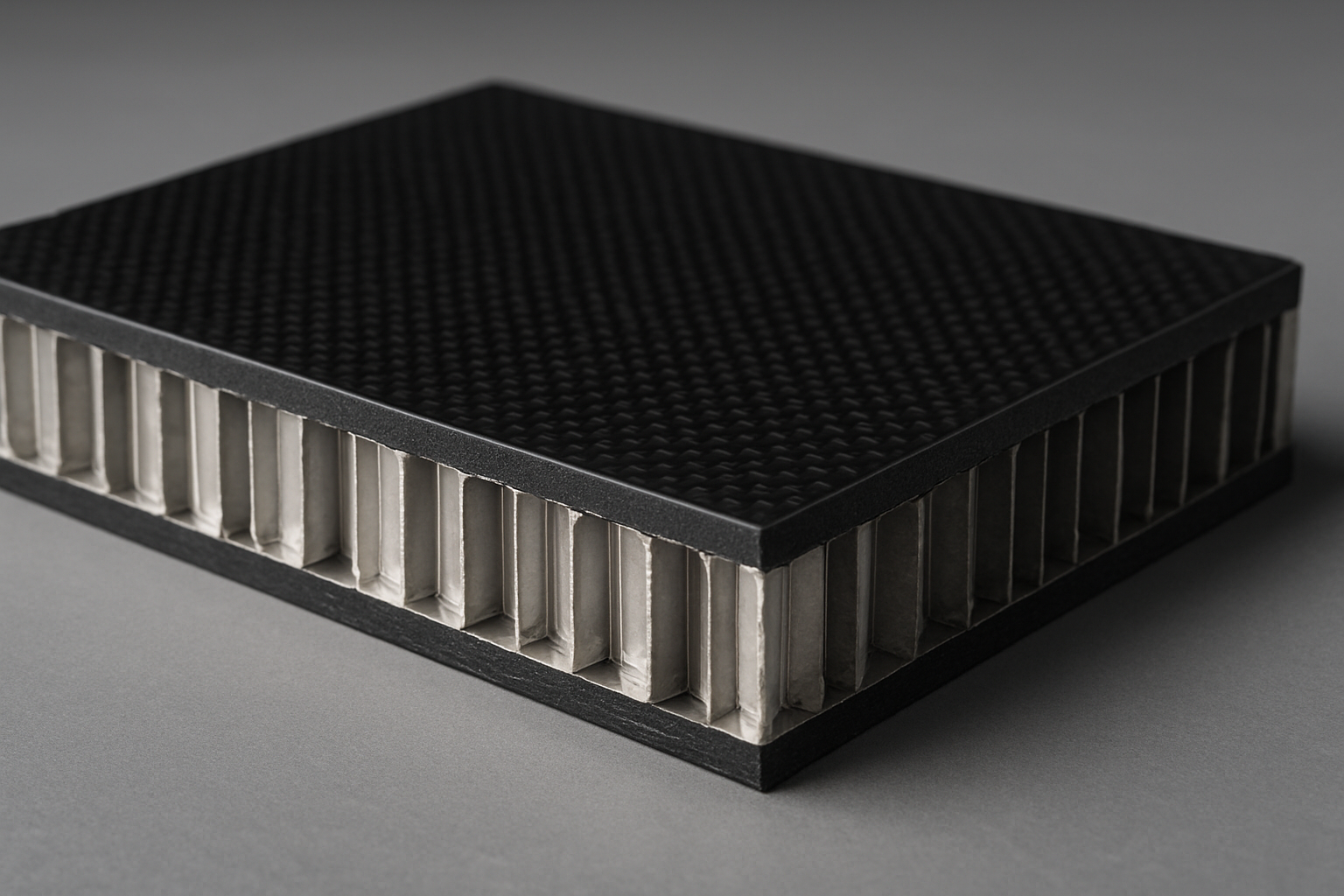
Carbon Fiber Honeycomb Panel: Properties
Technical overview of carbon fiber honeycomb panels: sandwich construction, weight-to-stiffness ratio, manufacturing process, and applications in construction, aerospace, and marine industries.
FRP: Types, Properties & Applications [2026]
Comprehensive guide to fiber reinforced polymer (FRP) composites: CFRP vs GFRP vs AFRP comparison, mechanical properties, manufacturing methods, and applications in structural strengthening.
Concrete Column Strengthening: CFRP vs Steel
Comparing three methods to strengthen concrete columns: CFRP carbon fiber wrapping, steel jacketing, and concrete section enlargement. Design principles, cost comparison, and when to use each method.
Metal to Concrete Adhesive: Steel & Aluminum
How to bond metal to concrete: choosing the right epoxy adhesive, surface preparation for steel and concrete, load capacity, and common applications in structural construction.
Ready to Strengthen Your Next Project?
Get expert guidance and competitive quotes from our engineering team.